
Description
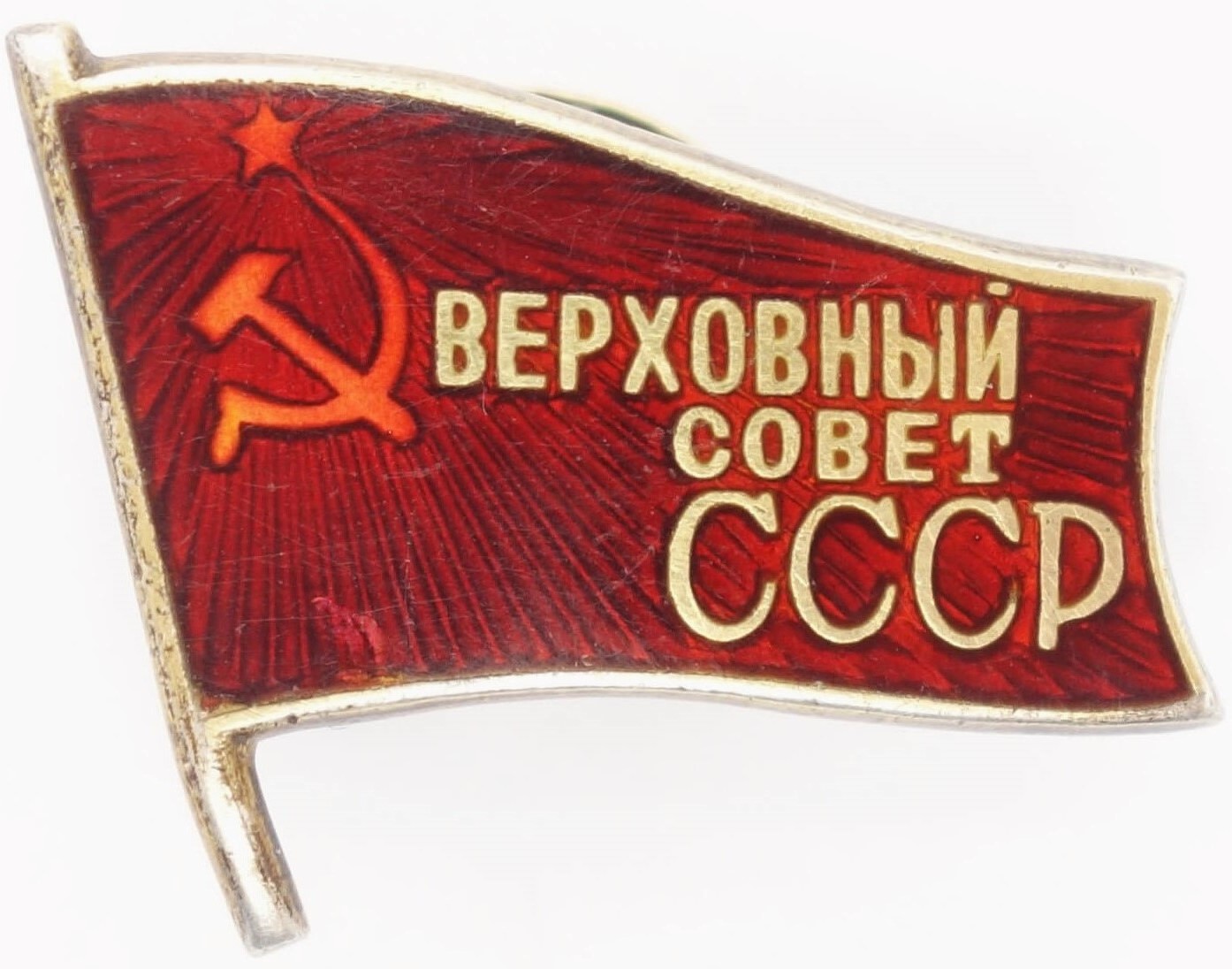
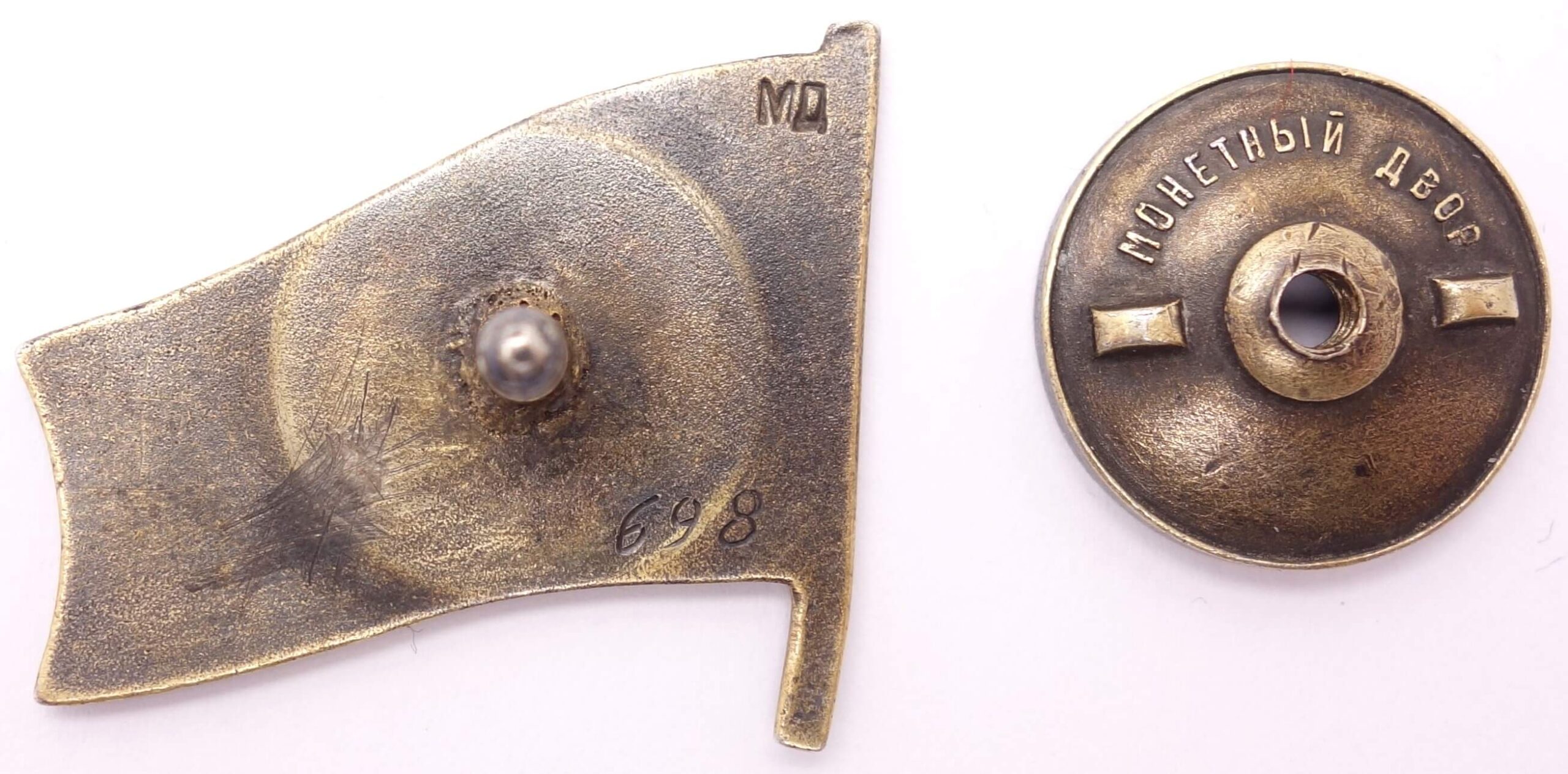
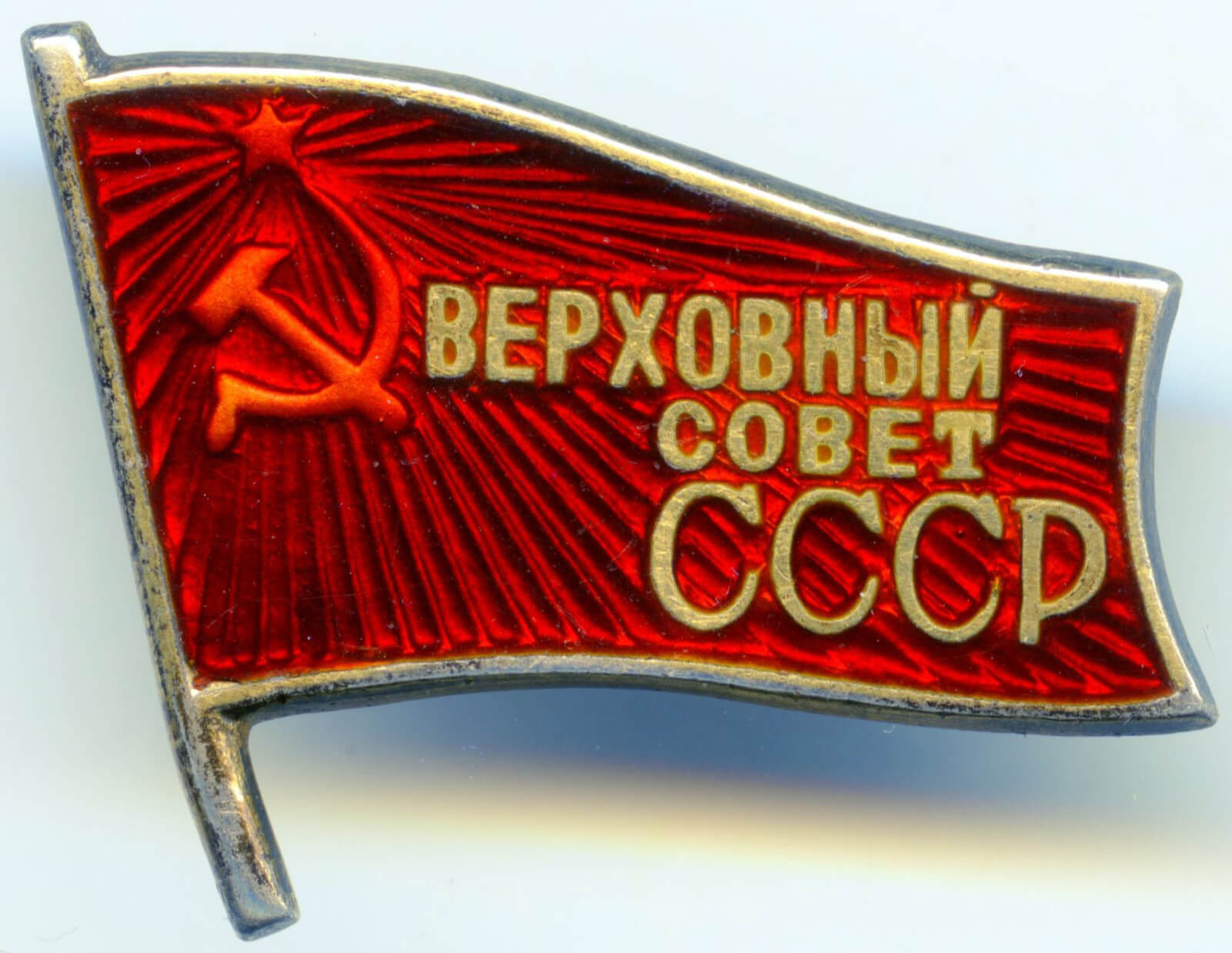
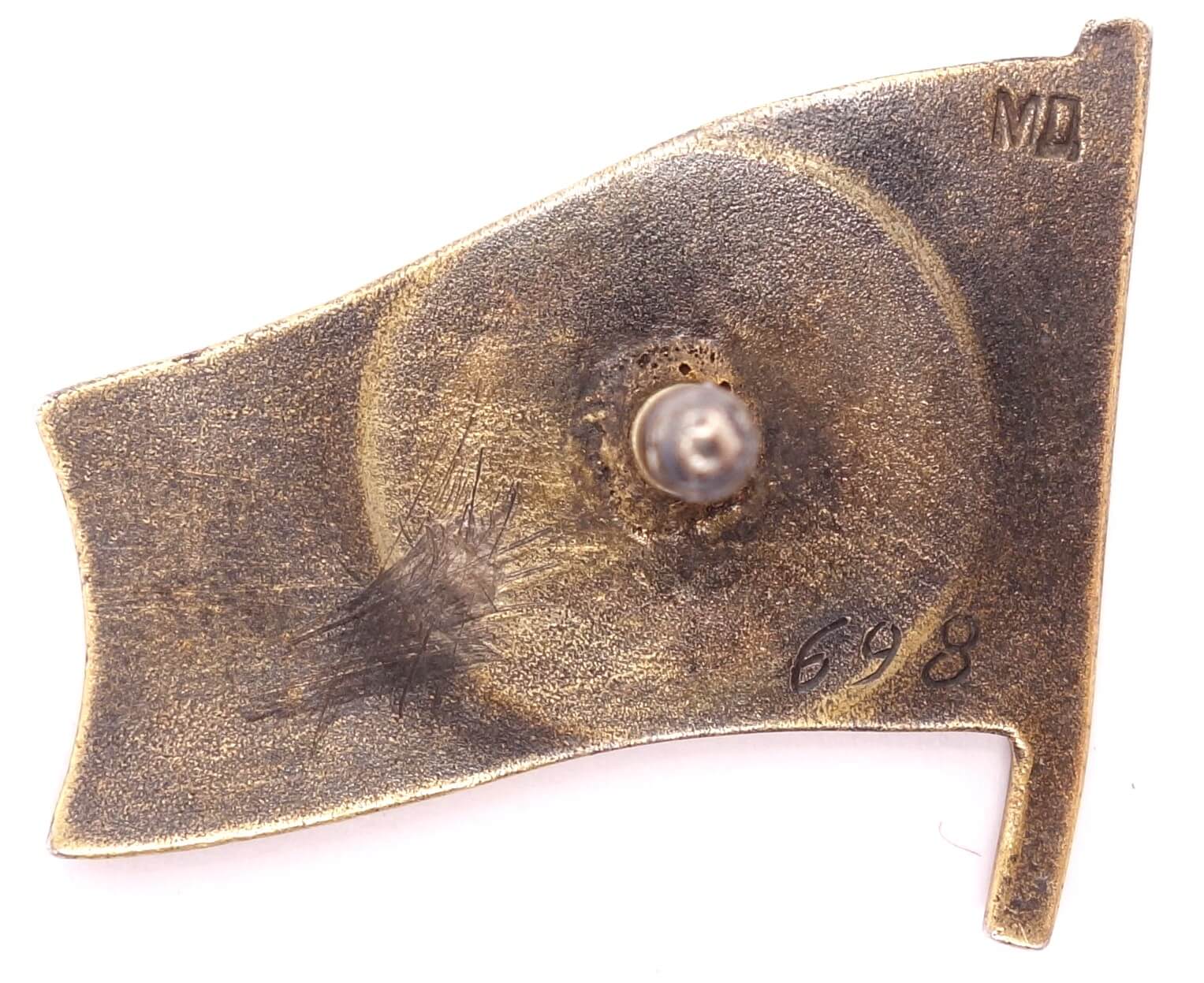
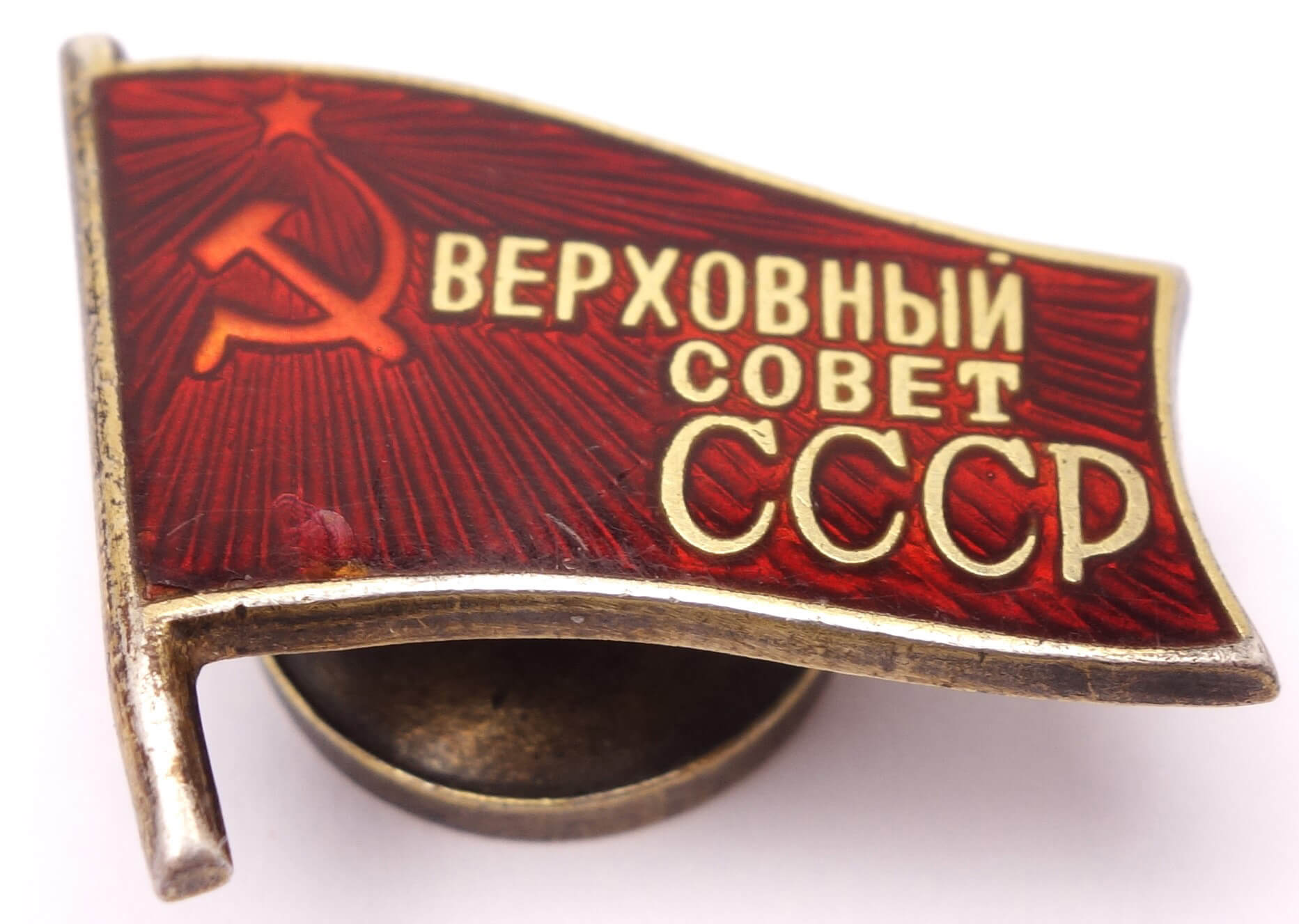
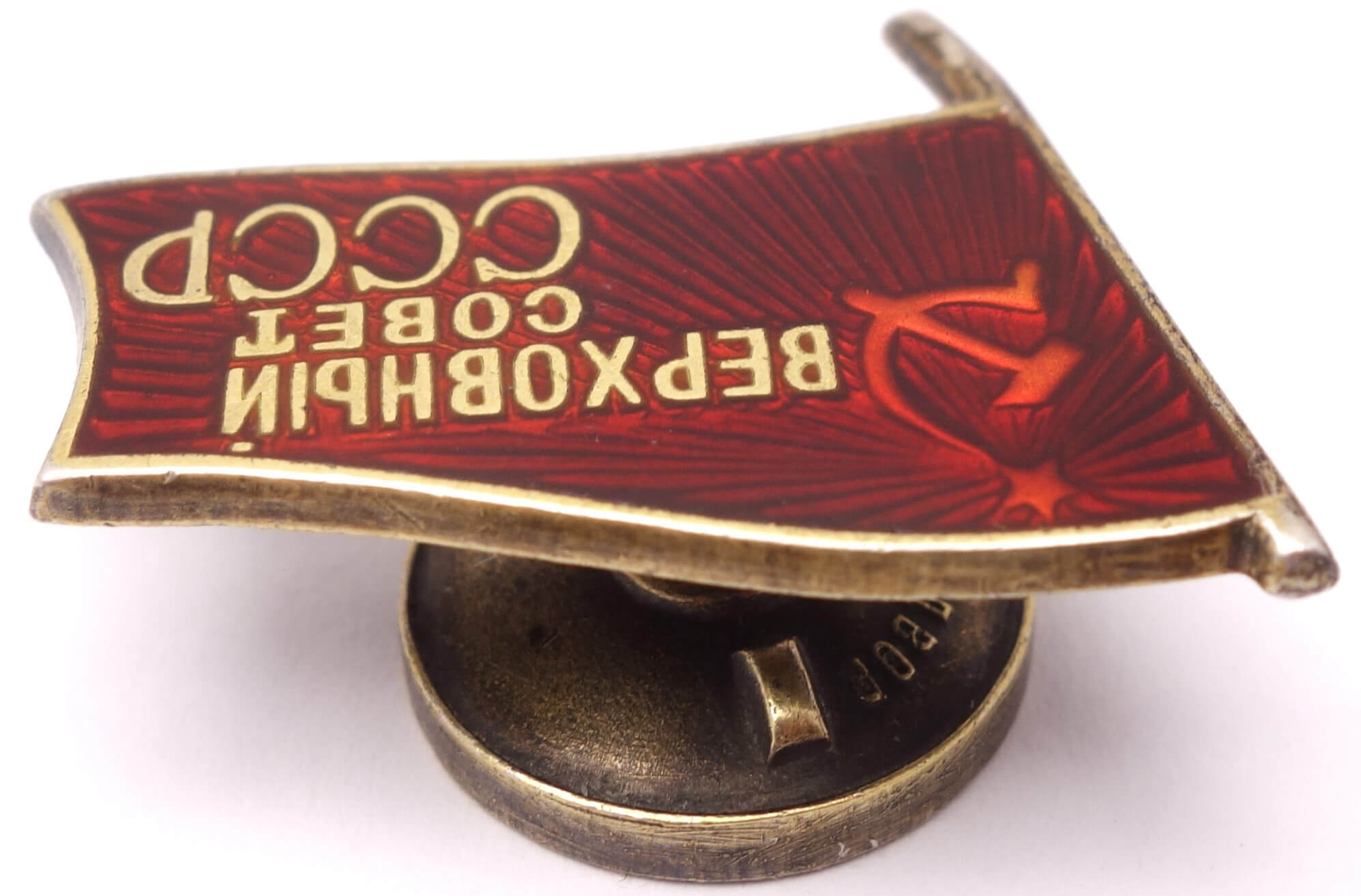
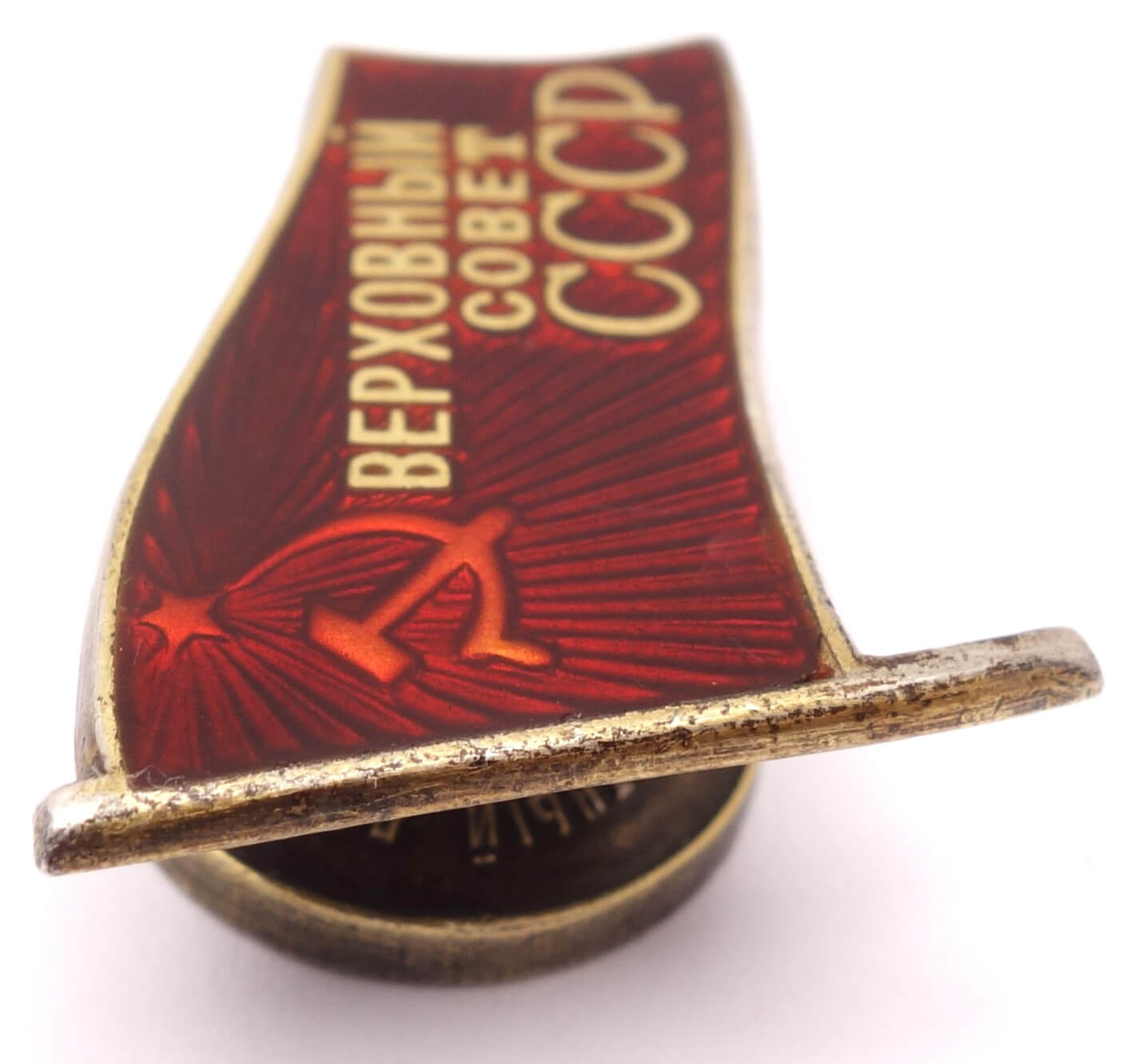
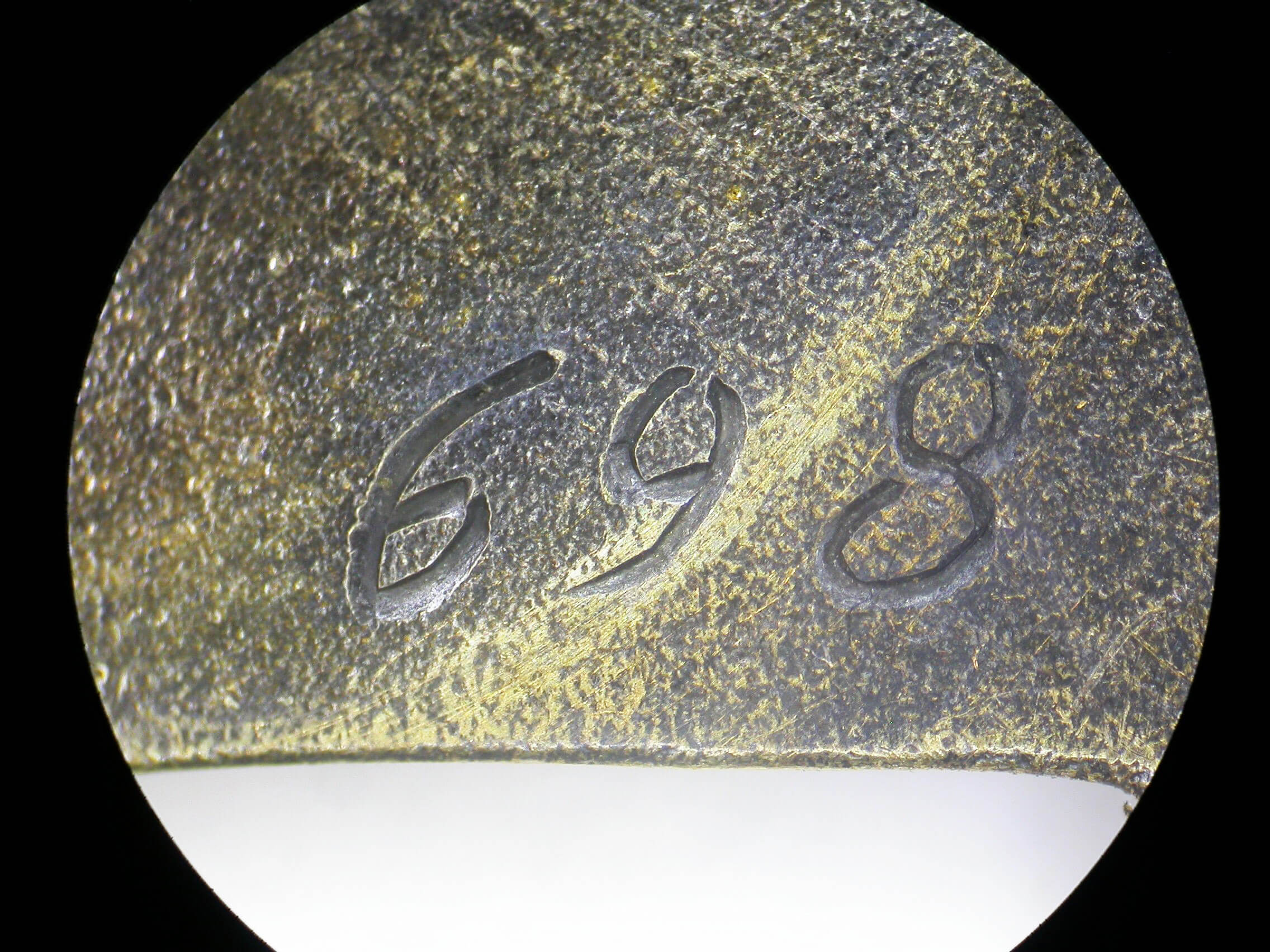
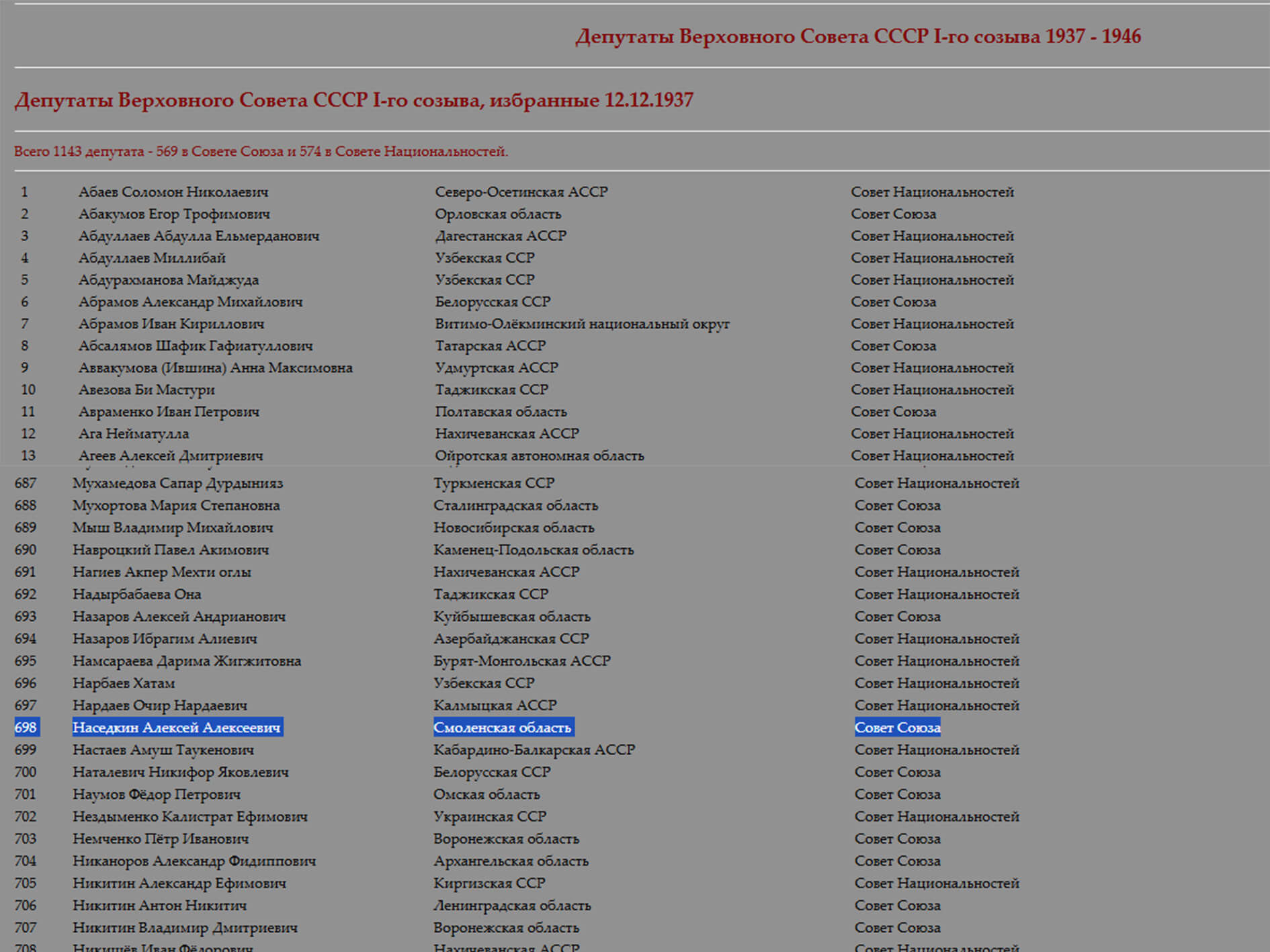
Supreme Soviet of the USSR membership/ deputy badge. First convocation in 1937 #698
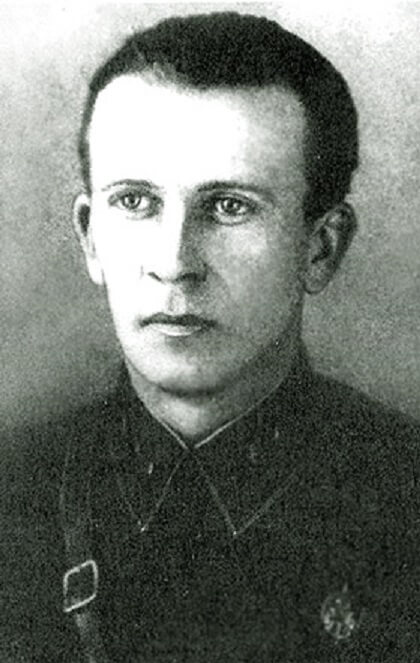
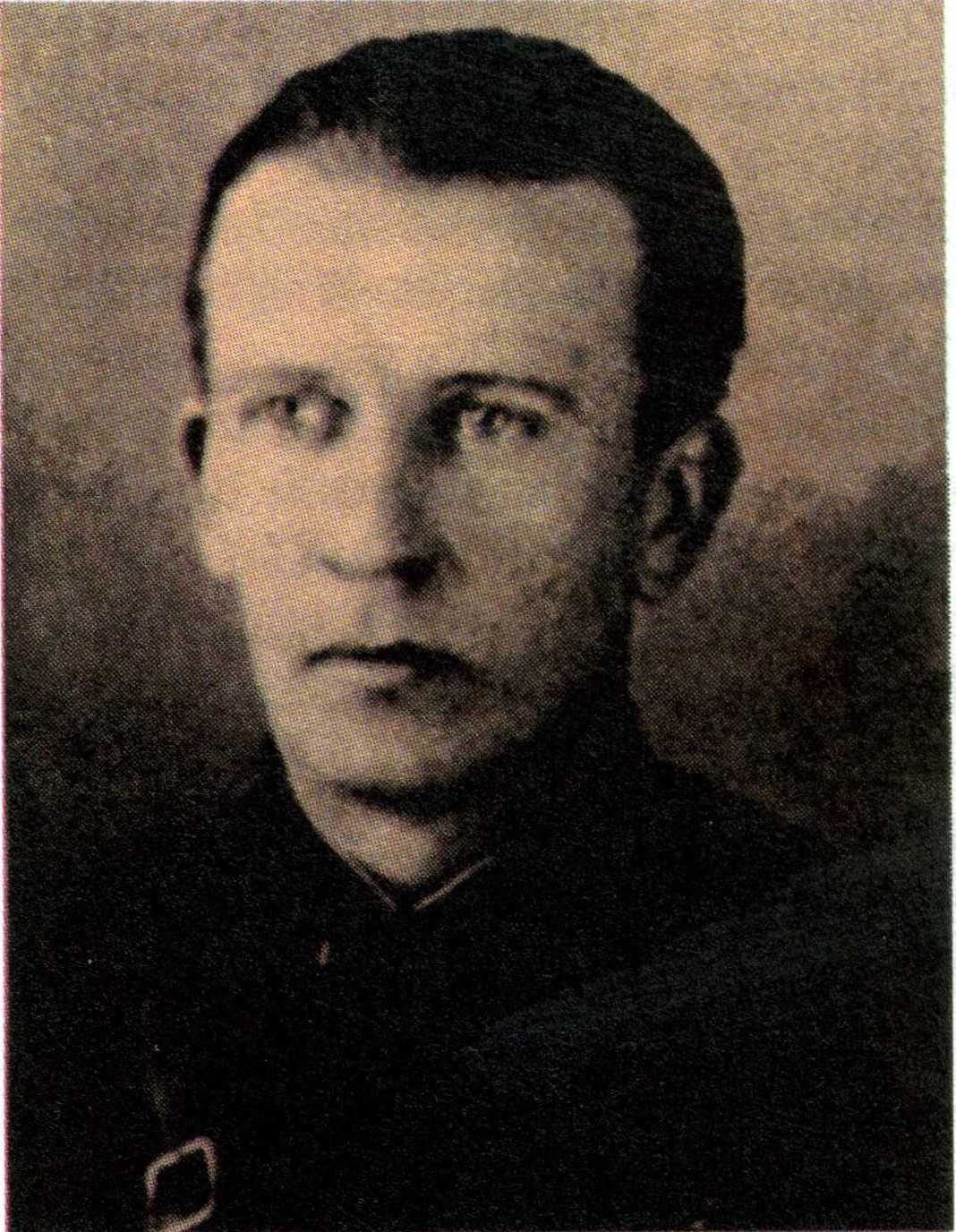
Issued to NKVD Major Alexey Alekseevich Nasedkin (Алексей Алексеевич Наседкин)
Nasedkin was a perpetrator of the Great Terror who later fell victim to it himself when executed in 1940
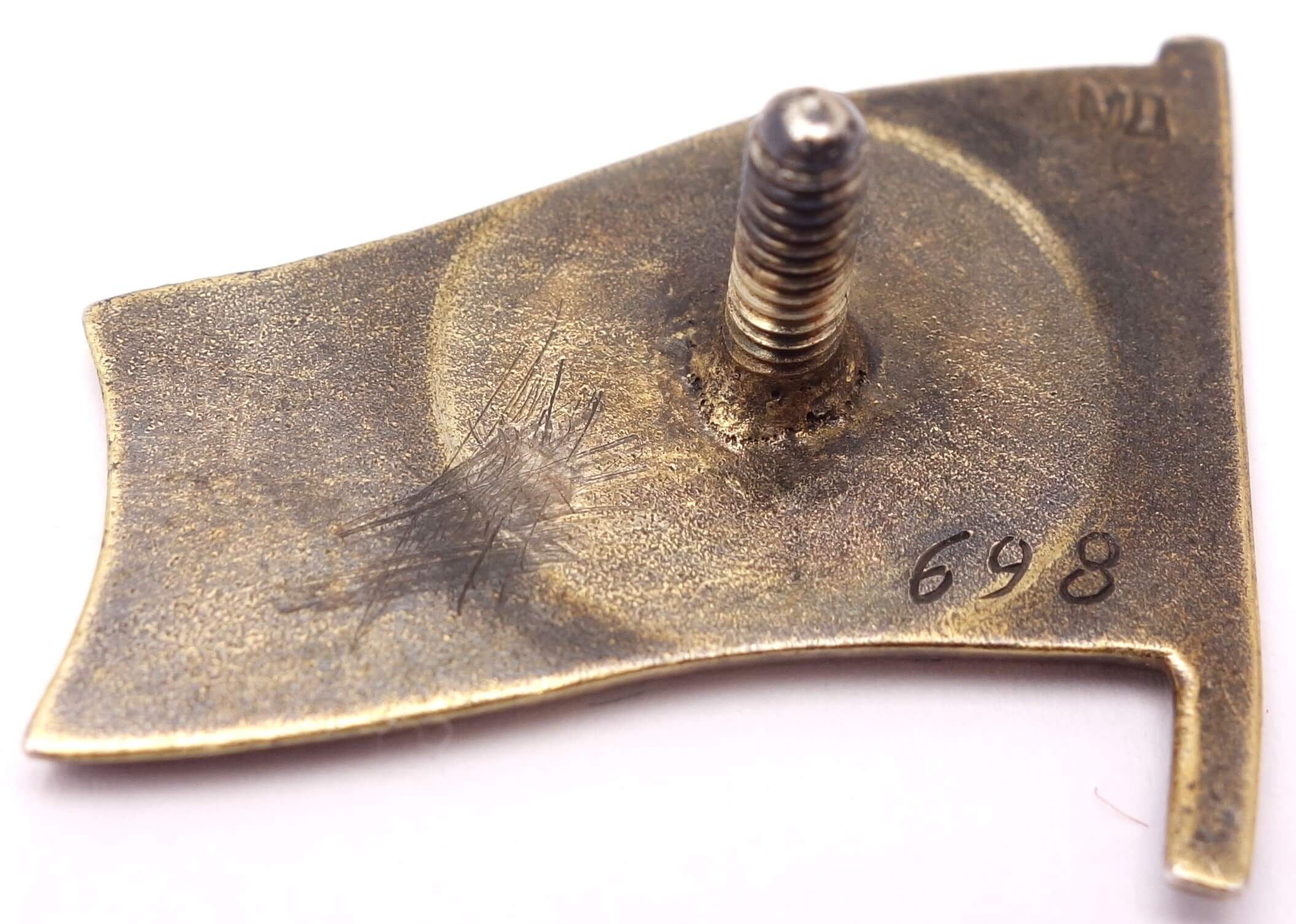
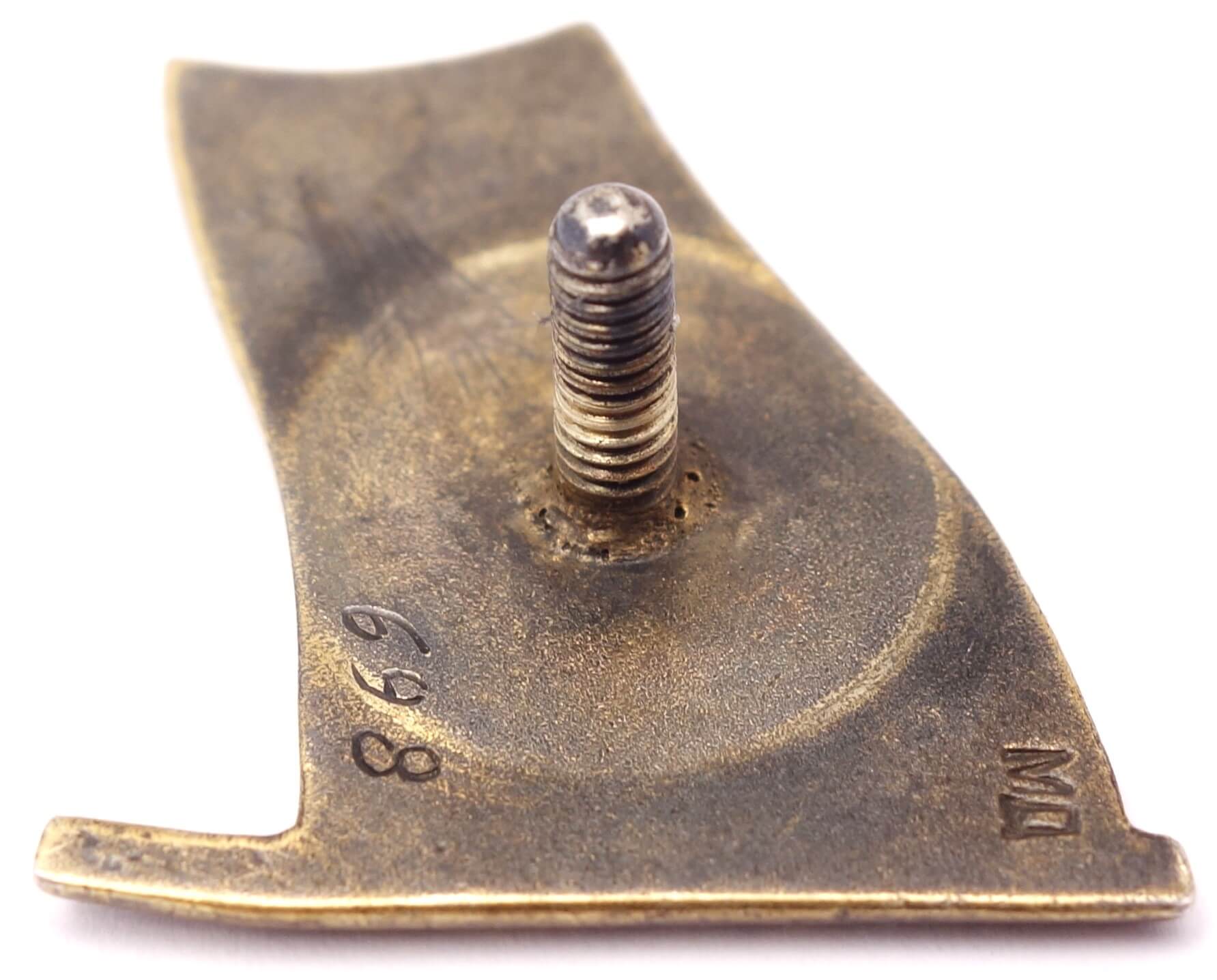
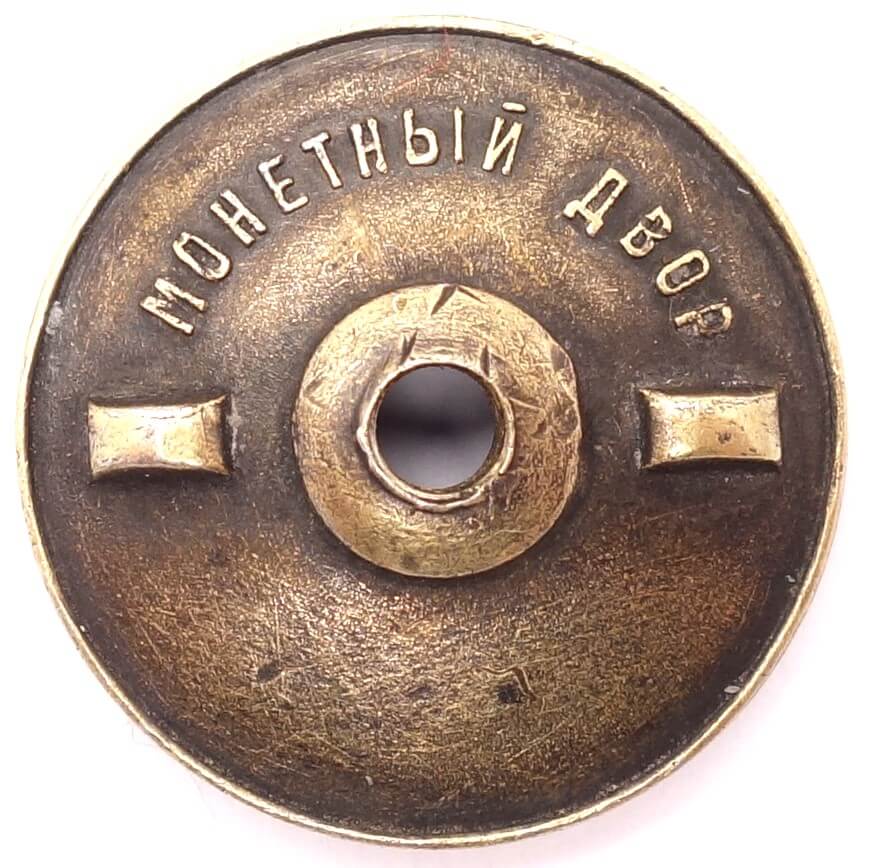
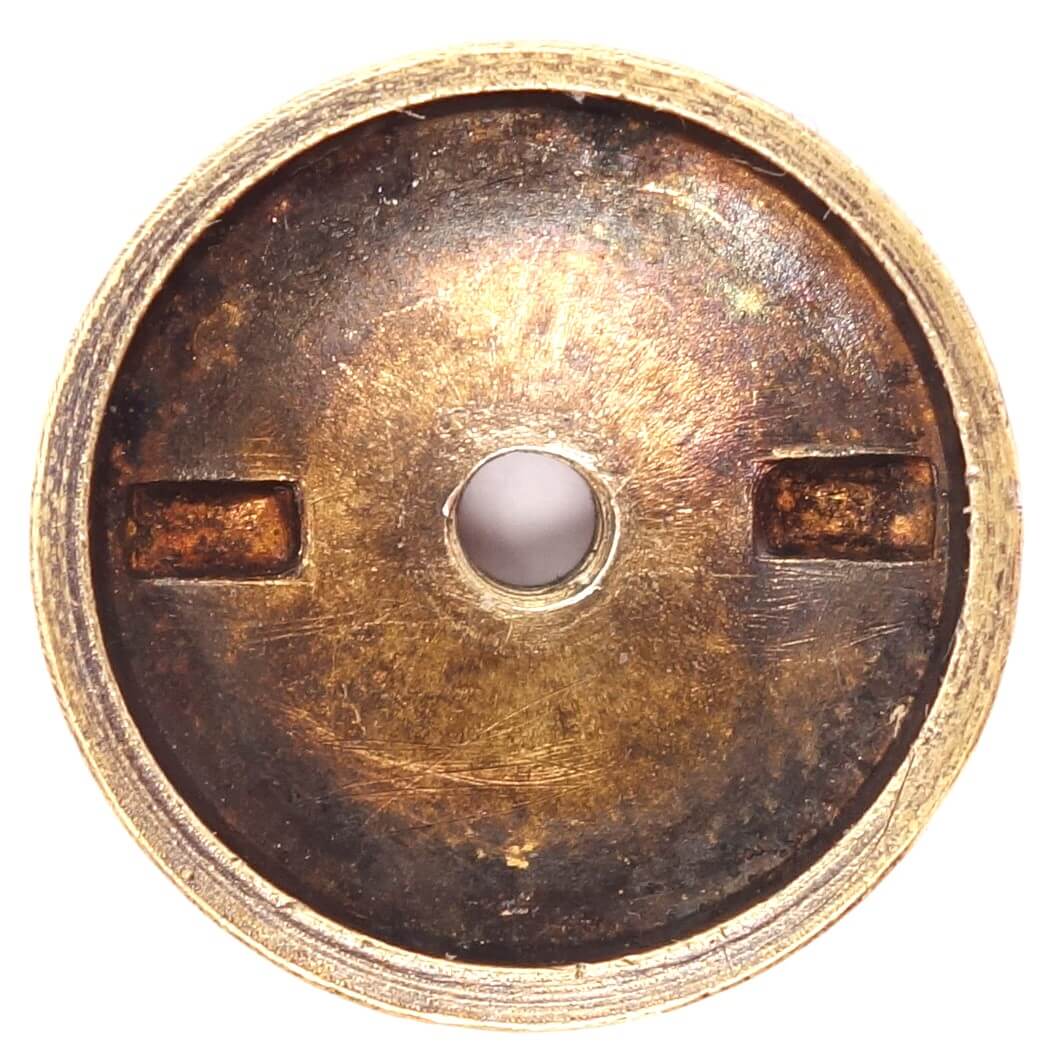
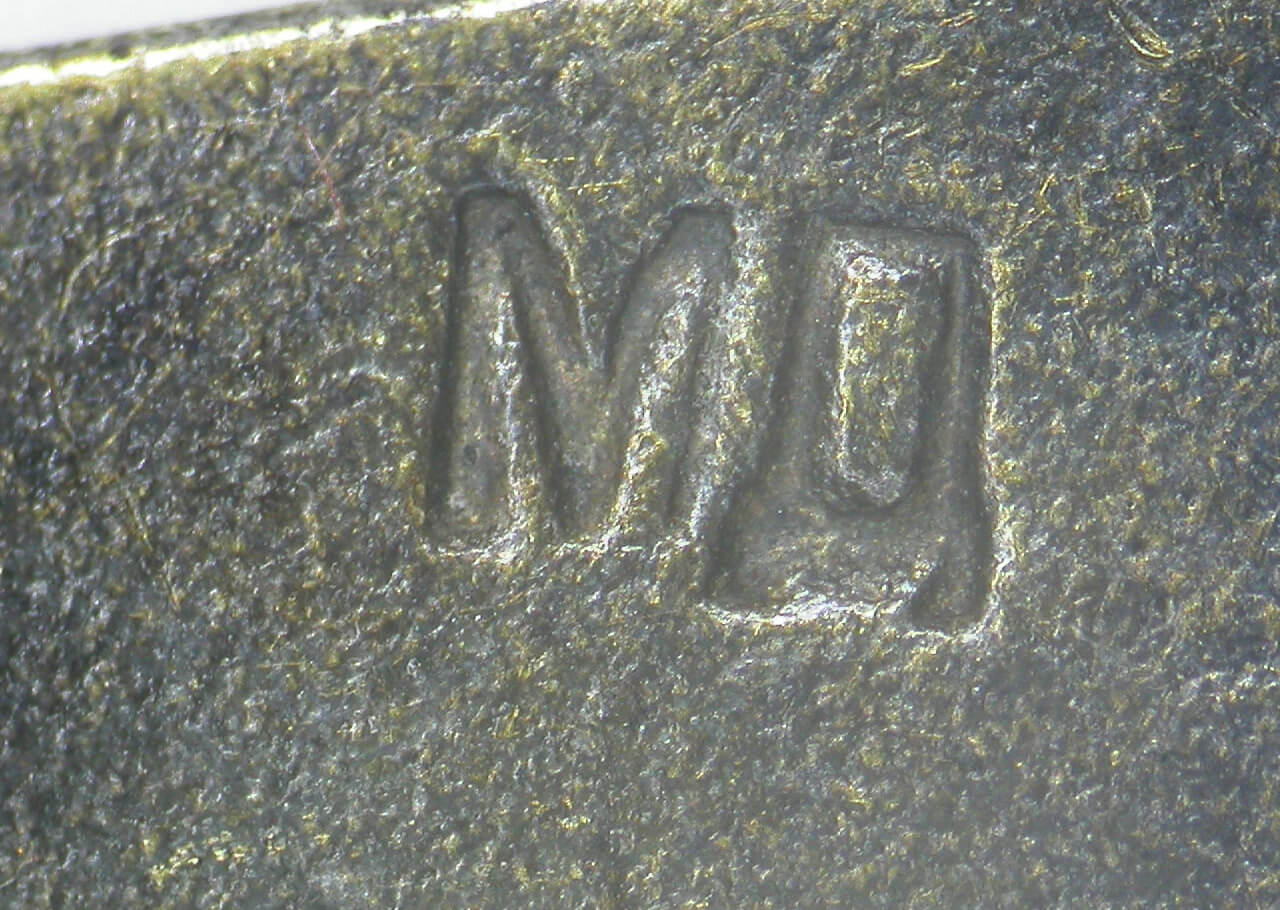
Made of solid silver and enamels. It measures 25.8 mm in height (flagpole), 29.7 mm in width and weighs 7.5 grams without its screwplate. The reverse shows the stamped ‘MD’ mint mark and engraved serial number ‘698’.
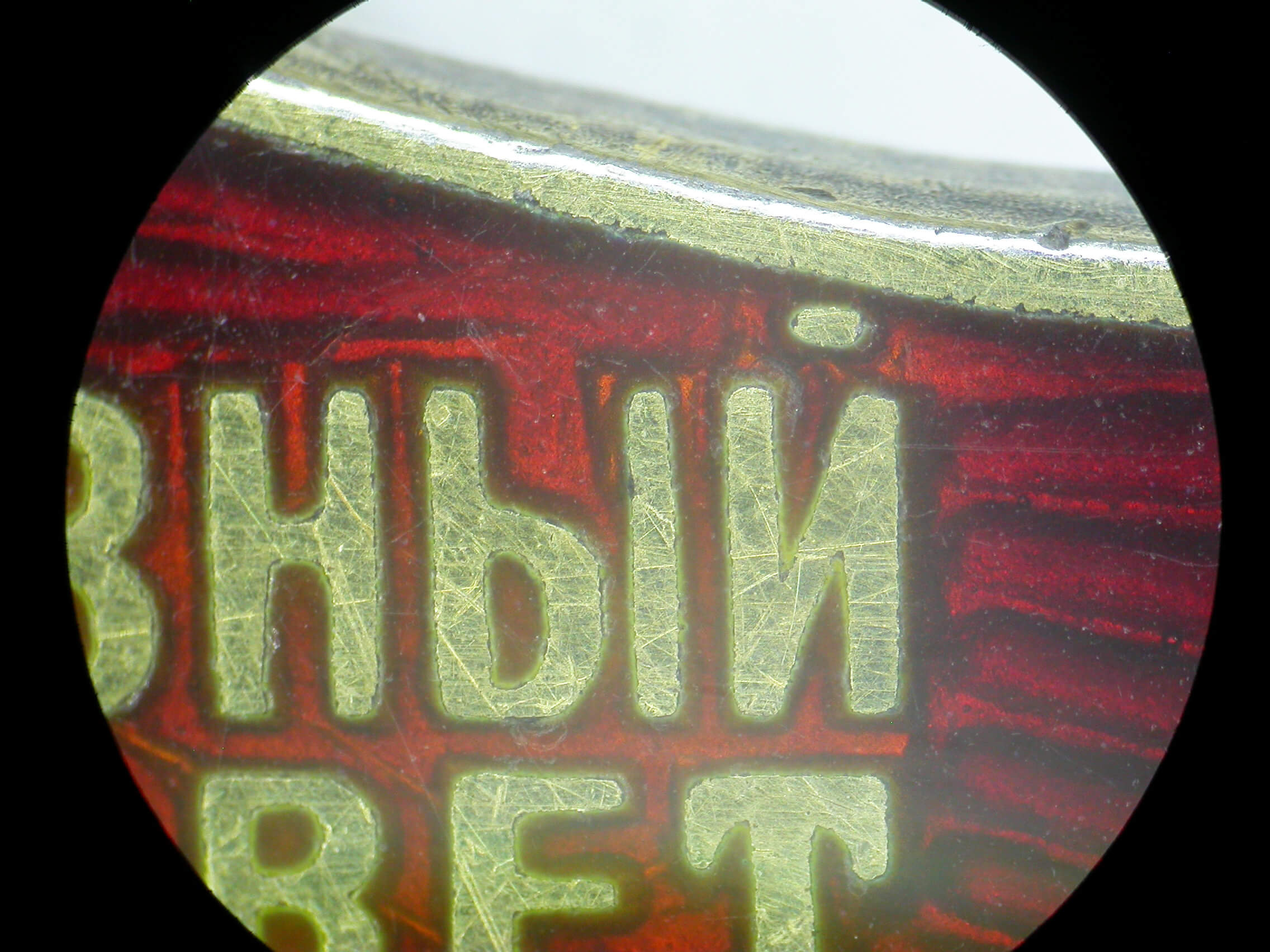
The badge is in nice condition with much of the original gold plating intact. The red enamel is well preserved, showing only small dings and scratches. From certain angles it appears there may be a chip at the bottom beneath the hammer and sickle, but closer inspection reveals it to be an internal crack. Both sides display an attractive toning to the gilded silver. The badge comes with a well-fitted screwplate, differing from later types and characteristic of these early examples.
A short biography on Nasedkin:
In December 1937, during the first elections to the Supreme Soviet of the USSR, Alexei Alexeyevich Nasedkin was elected as a deputy of the 1st convocation, representing the Smolensk region. His background was typical for many Soviet officials of the period: a worker by origin, with experience as an electrician, military service, and subsequent Party membership.
At the same time, Nasedkin was serving within the NKVD, where he advanced rapidly during the period of the Great Terror (1937–1938). He participated in repressive operations, including involvement in extrajudicial bodies (“troikas”) responsible for issuing sentences in large numbers of political cases.
In 1938, he was appointed People’s Commissar for Internal Affairs of the Byelorussian SSR, placing him among the senior NKVD leadership. In this role, he oversaw operations targeting alleged “anti-Soviet elements,” including mass arrests and executions.
However, during the restructuring of the NKVD leadership in late 1938, Nasedkin fell under investigation. In January 1939, he was arrested and charged with abuses of authority, falsification of cases, and participation in conspiratorial activities – accusations typical of the period.
Following investigation and interrogation, he was sentenced to death in January 1940 and executed shortly thereafter. His career thus reflects a broader pattern of the Great Terror, in which officials involved in repression were themselves later subjected to similar charges and punishments.
- 1897 – Born in the Russian Empire.
- 1910s–1920s – Worked as a laborer; later served in the military during wartime. Joined the Bolshevik Party.
- 1920s–1930s – Entered Soviet security services (Cheka → OGPU → NKVD) and gradually advanced through the ranks.
- 1937 (December) – Elected deputy to the Supreme Soviet of the USSR, 1st convocation.
- 1937–1938 – Participated in NKVD repressive operations during the Great Terror; involved in decision-making bodies (troikas).
- 1938 – Appointed People’s Commissar for Internal Affairs of the Belarusian SSR.
- Late 1938 – Removed from his post during shifts in NKVD leadership and policy.
- January 1939 – Arrested by the NKVD on charges typical of the period (abuse of power, falsification of cases, conspiracy).
- 1940 (January) – Sentenced to death.
- 1940 – Executed.
More information on Nasedkin can be read here, here and here
Please contact us with questions