Description
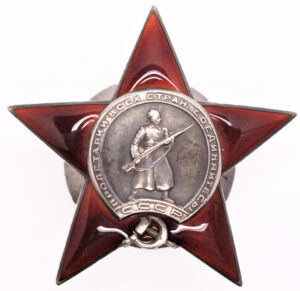
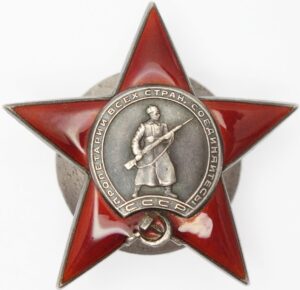
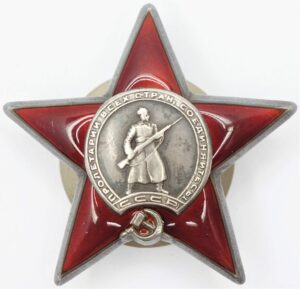
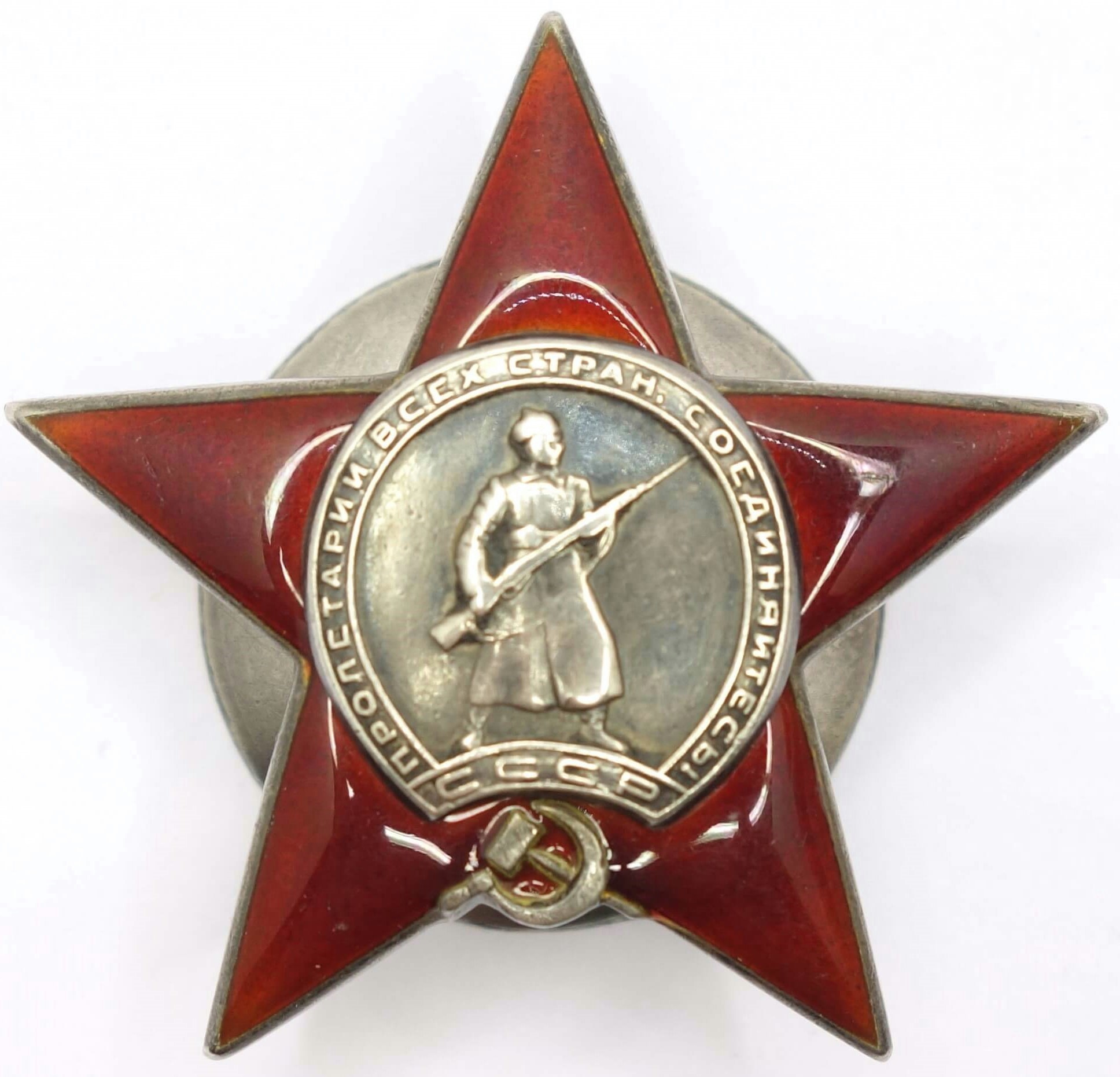
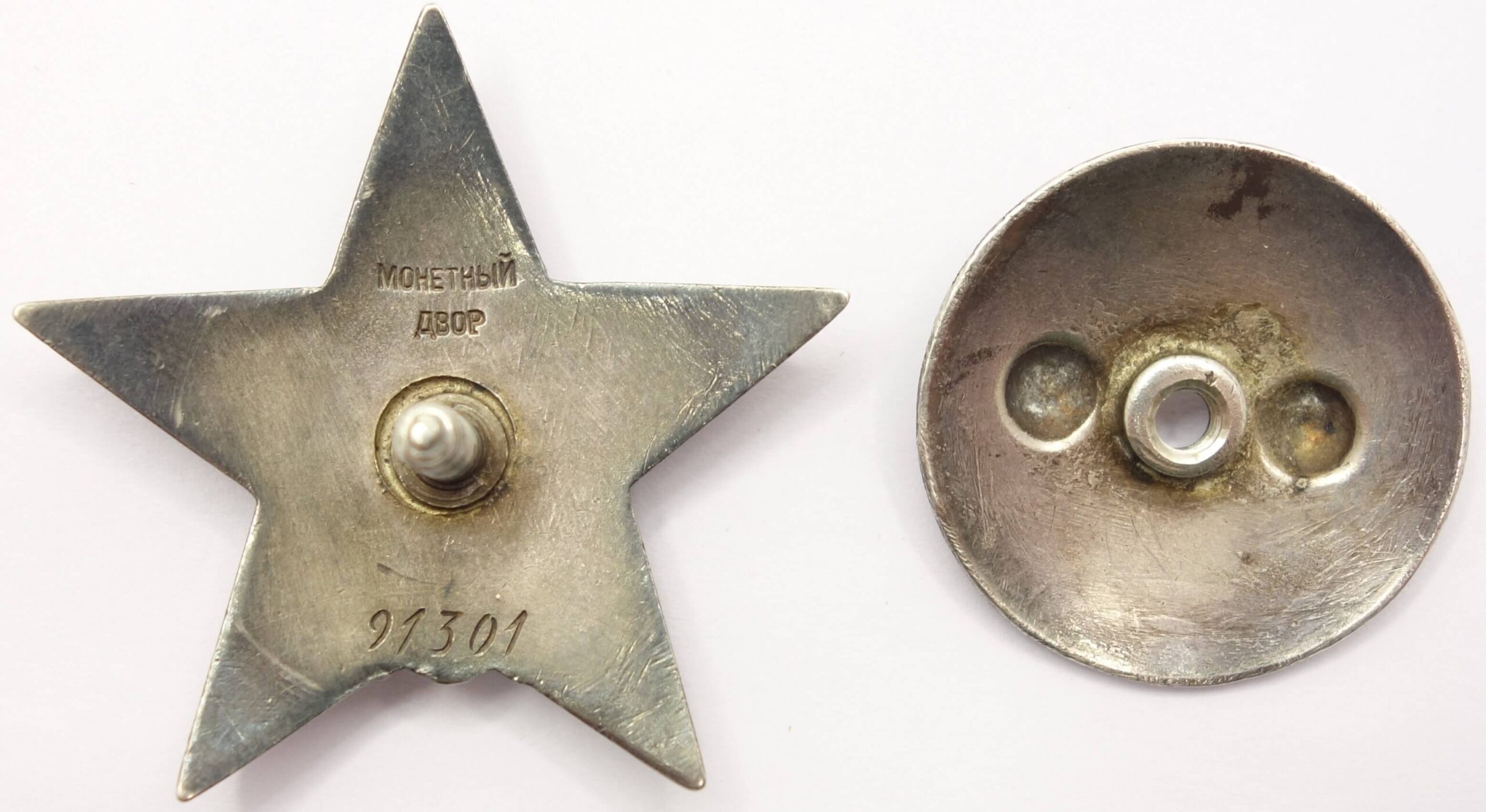
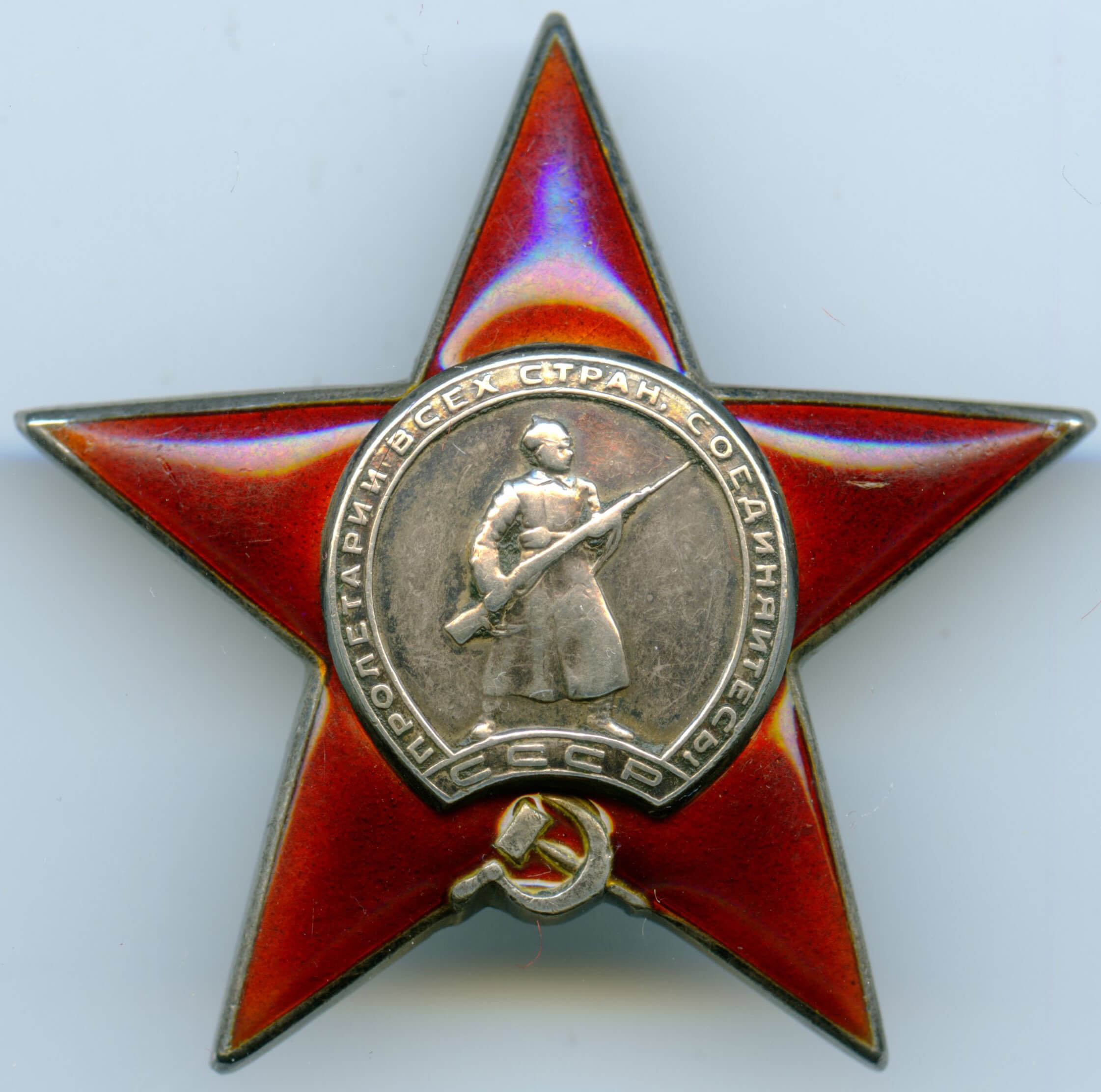
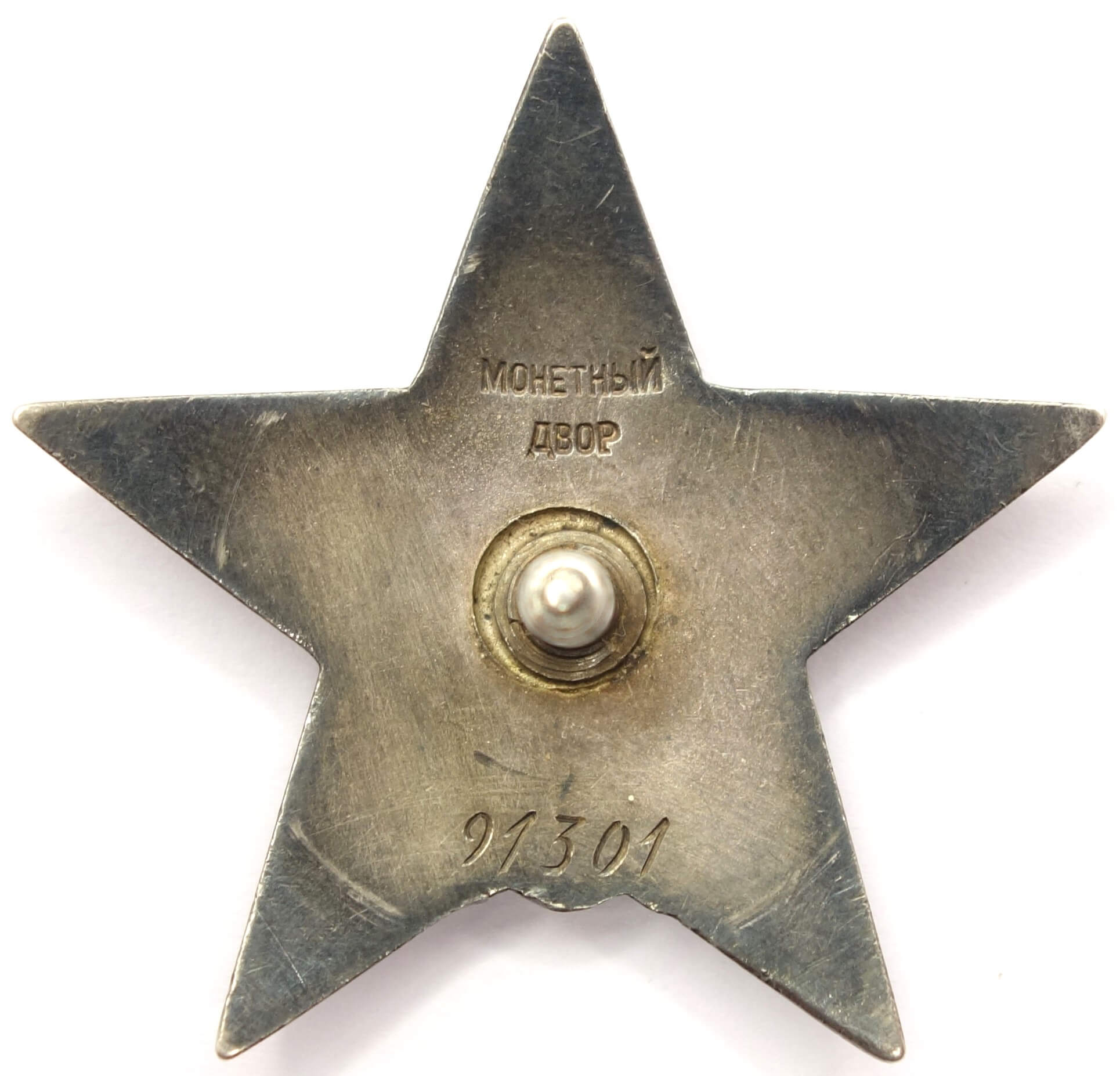
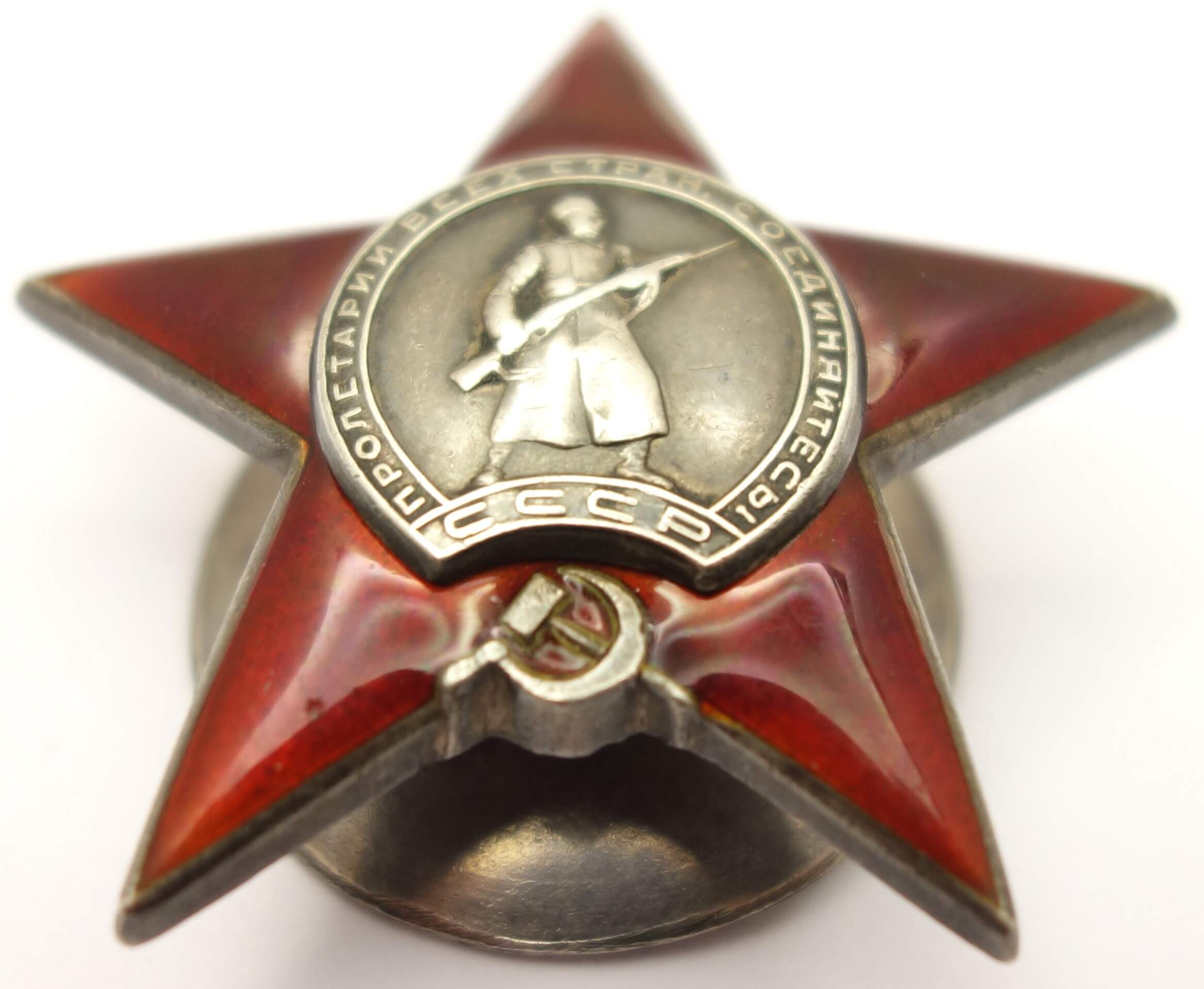
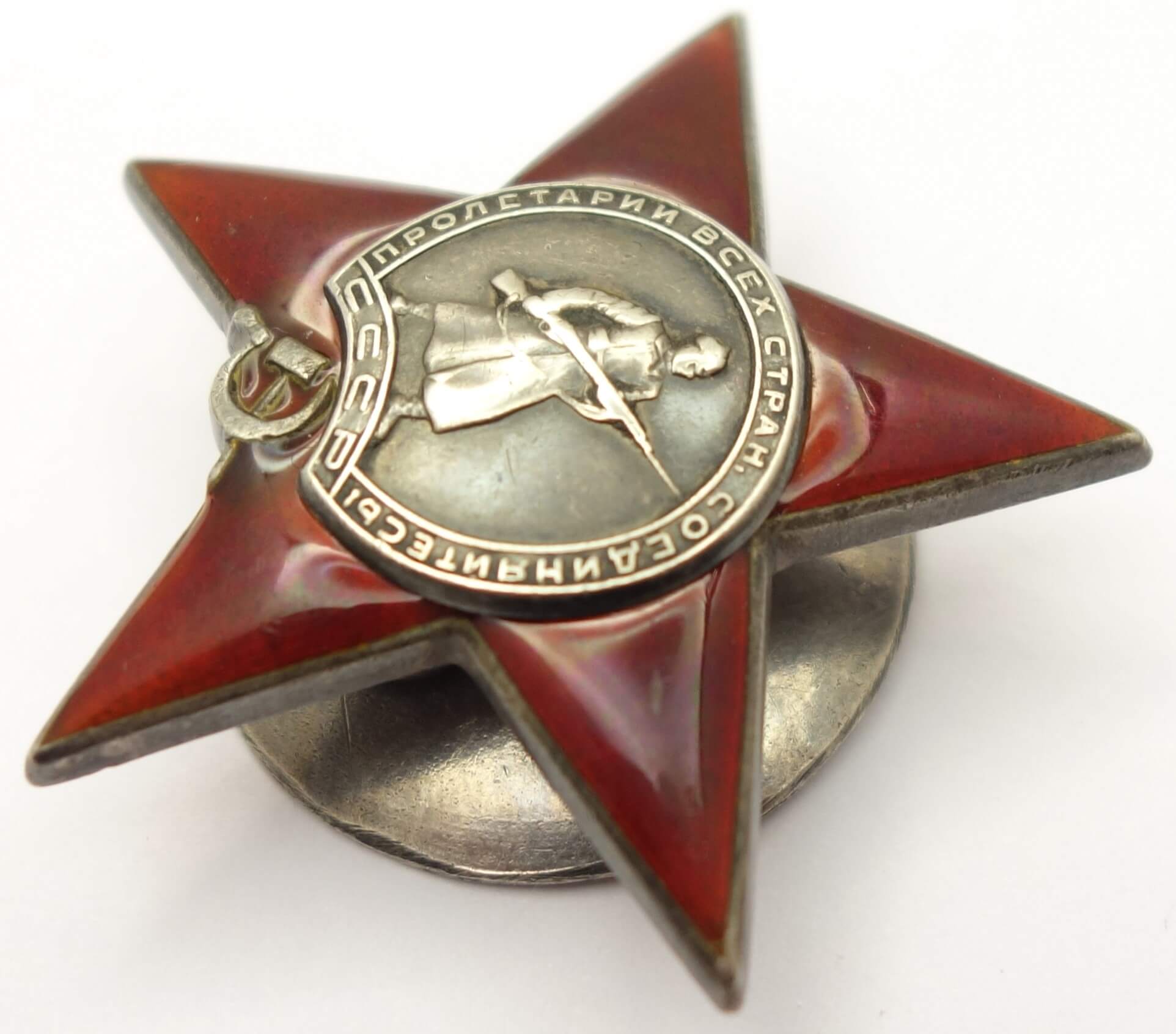
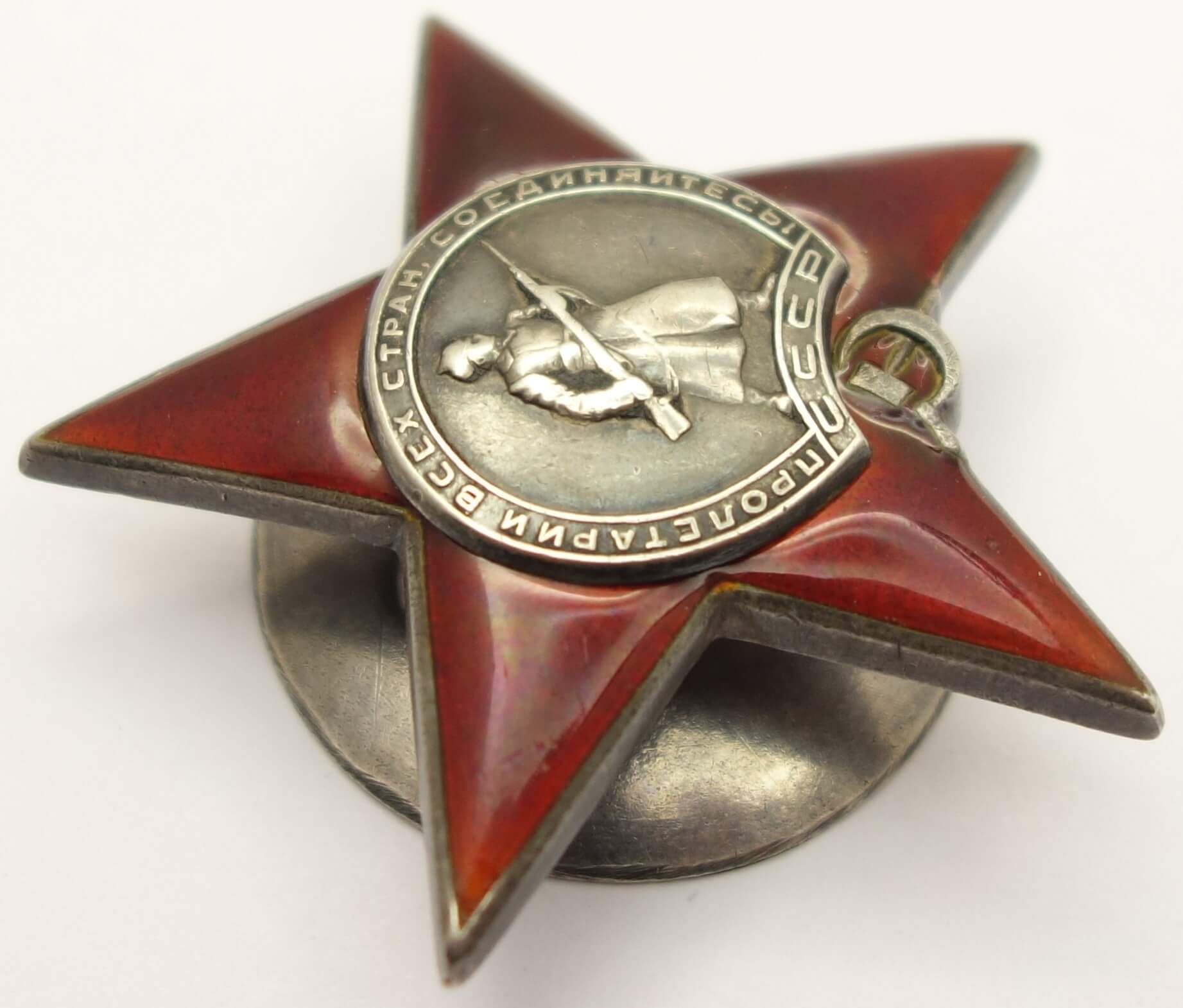
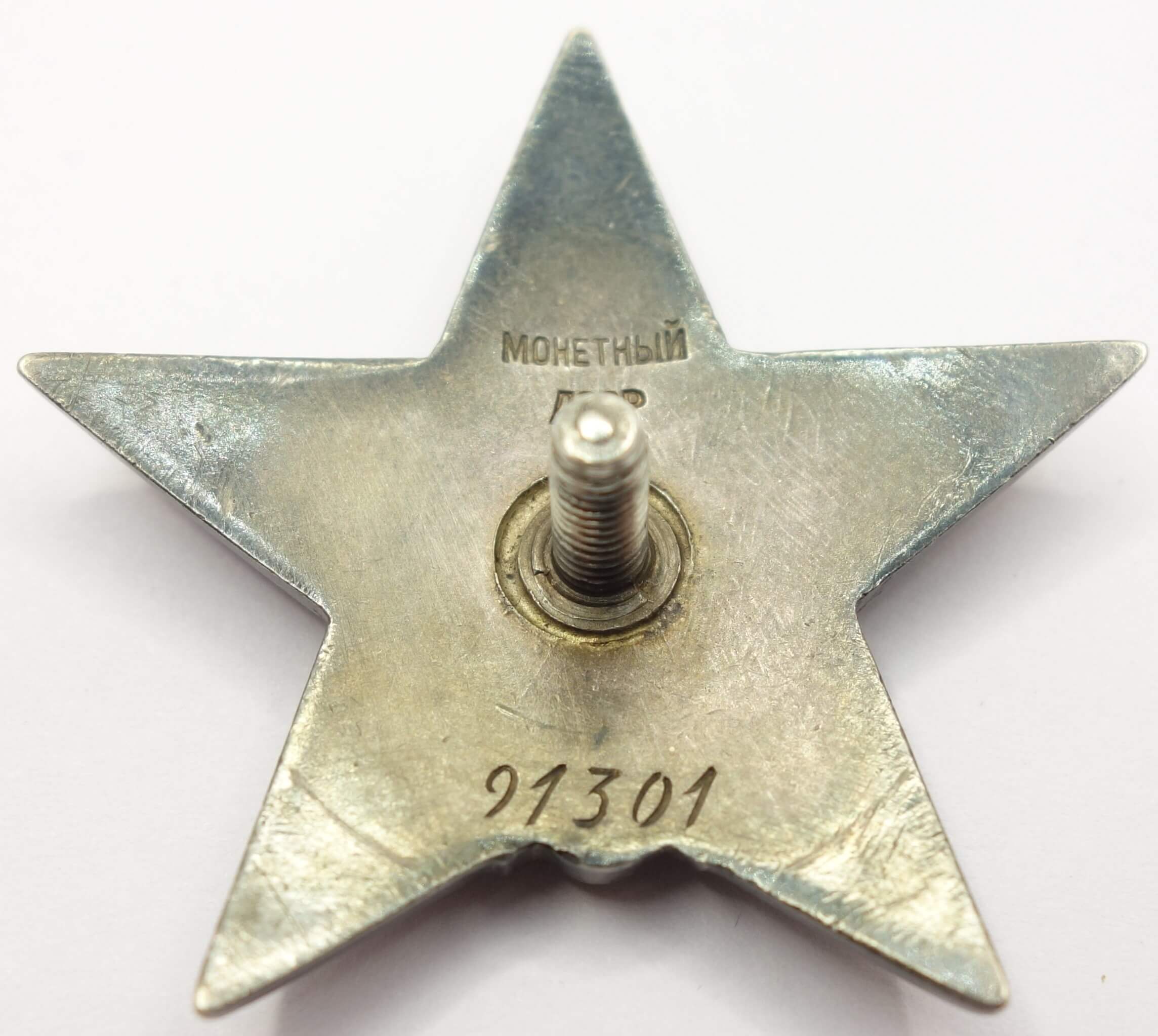
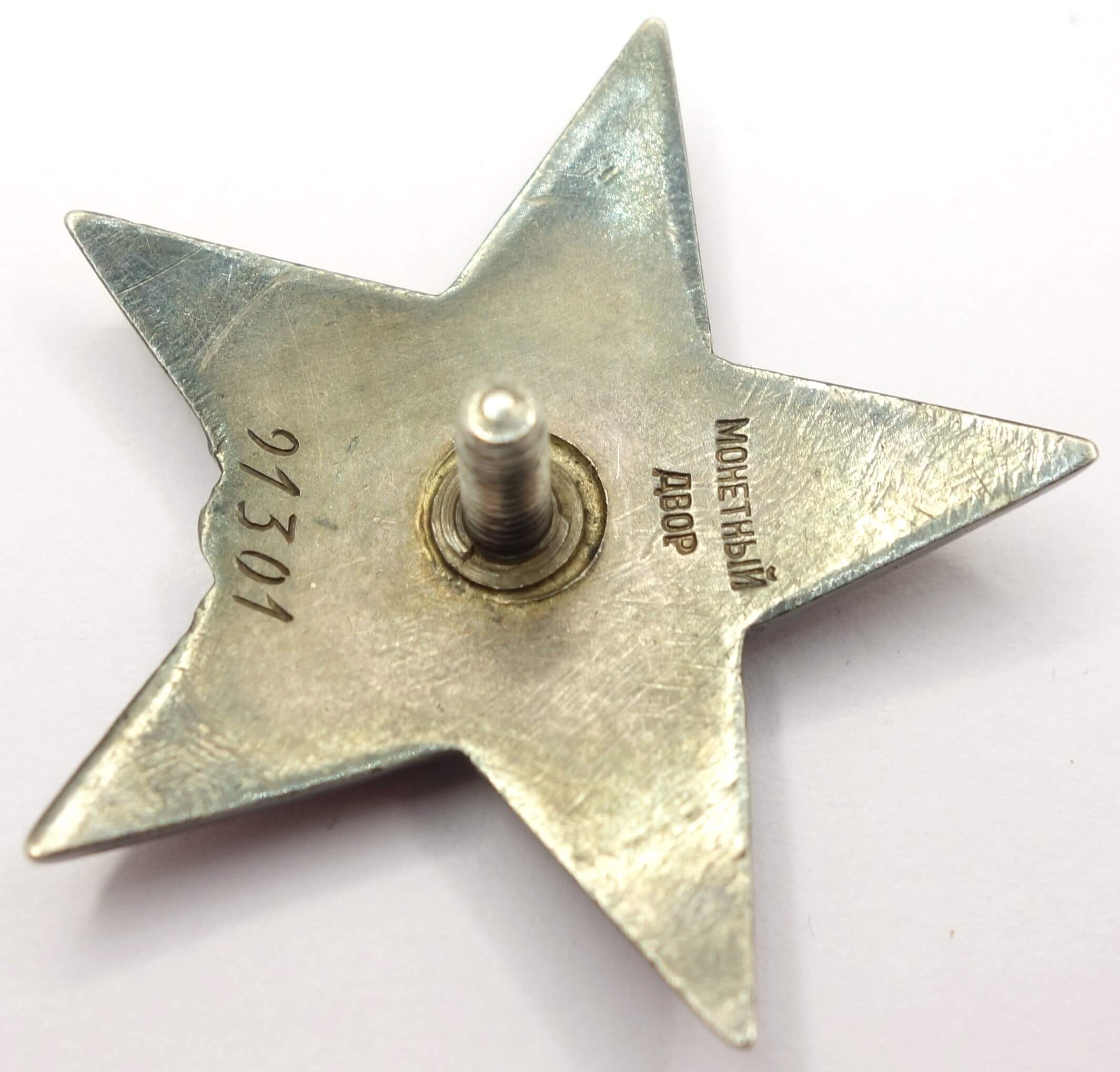
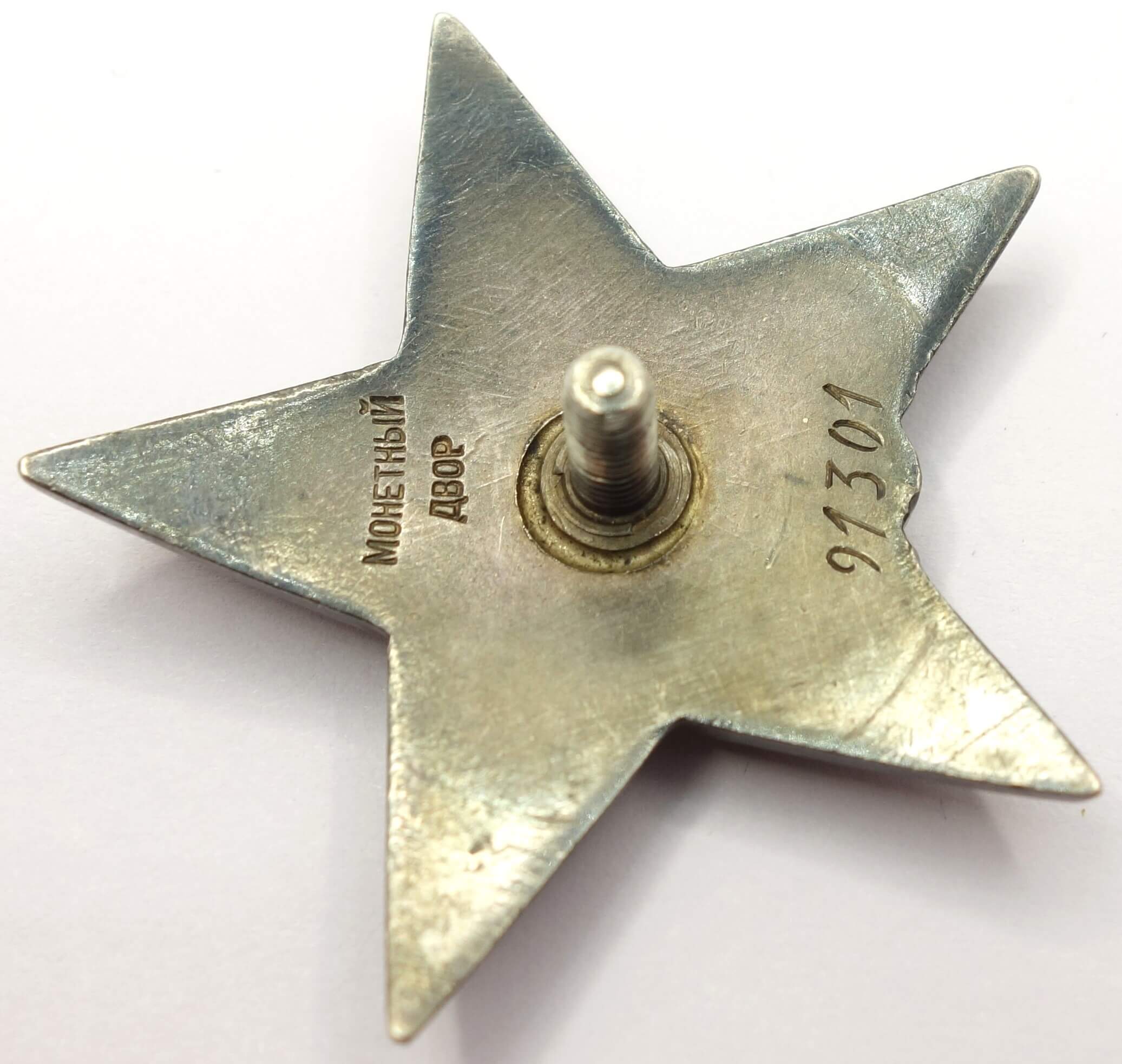
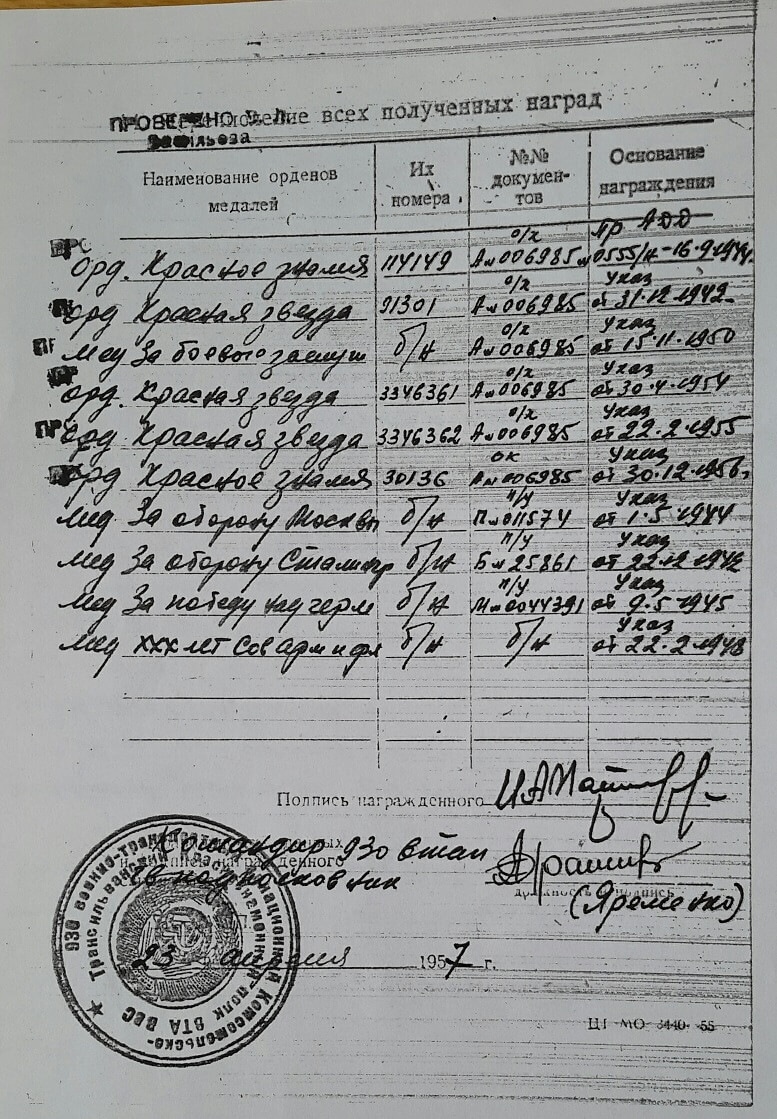
Order of the Red Star #91301
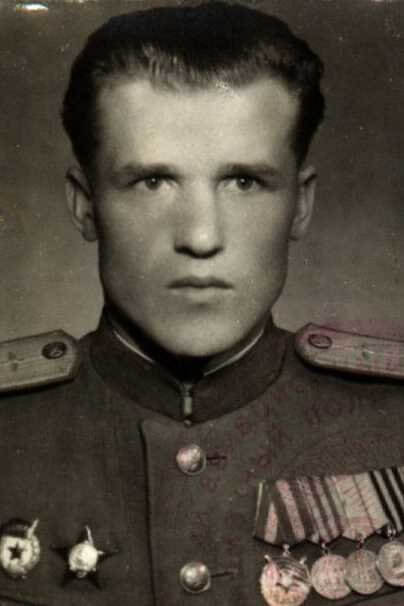
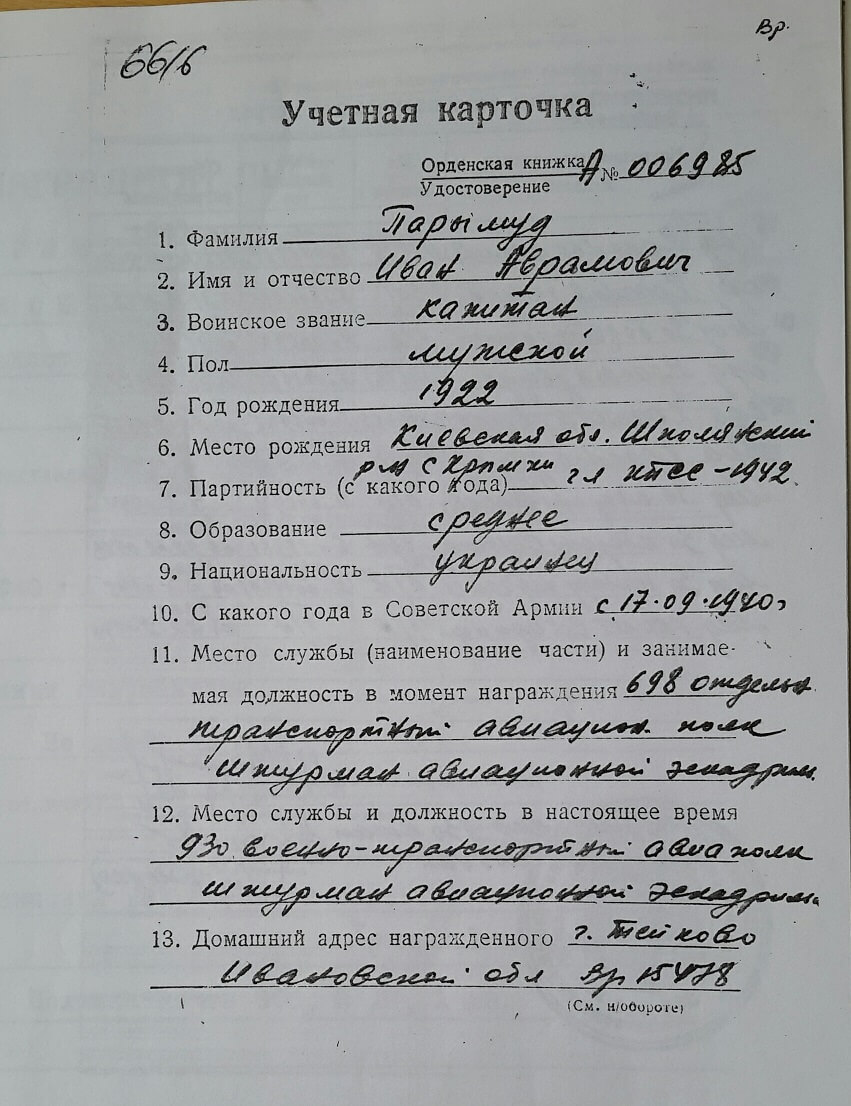
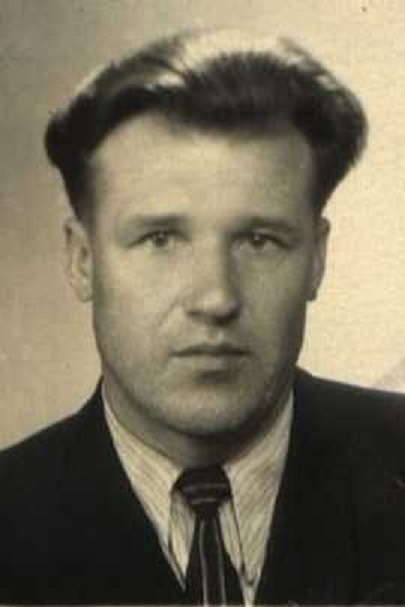
Awarded to Sergeant (later Captain) Ivan Abramovich Parymud (Иван Аврамович Парымуд)
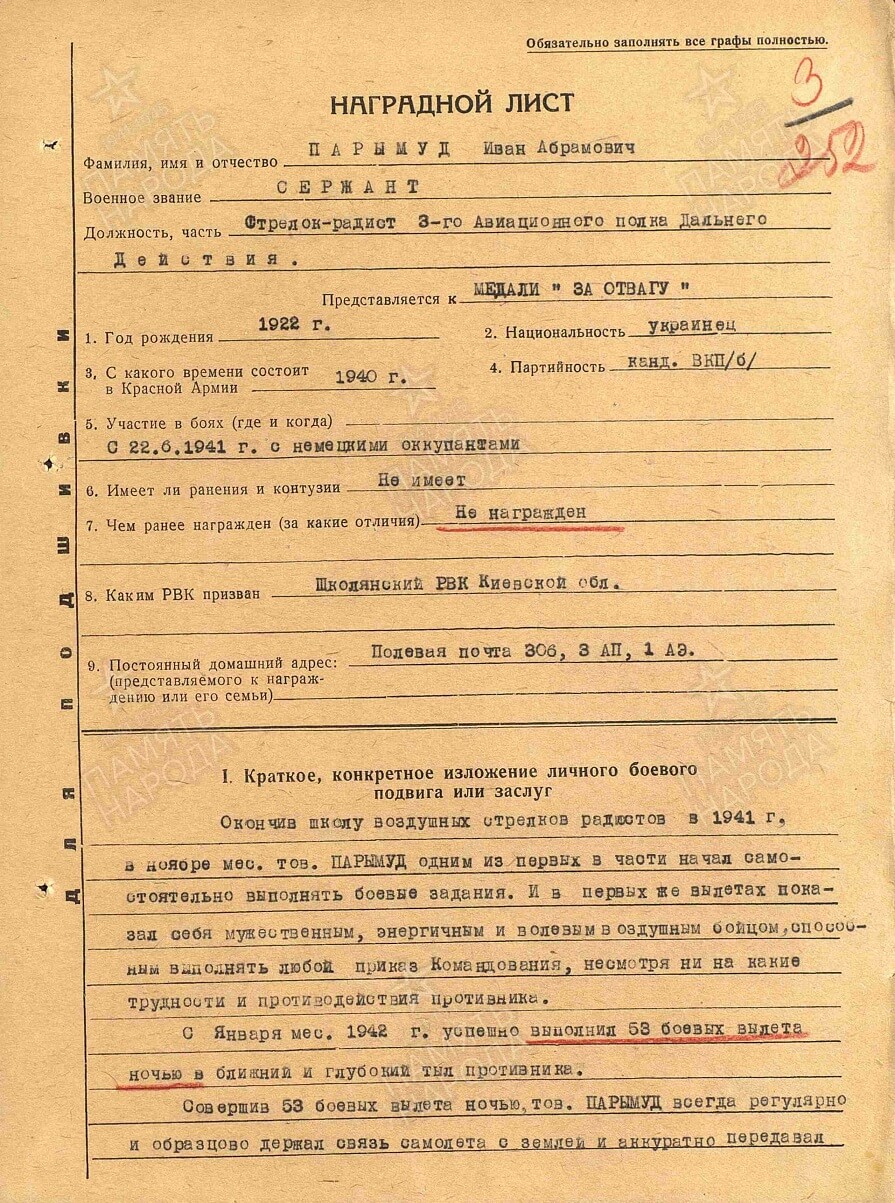
For flying 53 successful night combat sorties deep in enemy territory, maintaining flawless communications and accurately relaying orders under combat conditions. Highly proficient with radio equipment and armament, he ensured mission success and crew safety. After rapidly mastering new equipment, he completed an additional 15 night sorties against German forces near Stalingrad
Made of silver and enamels. The order measures 46.06 mm in height, 48.07 mm in width and weighs 28.9 grams without its screwplate. The serial number is located at the 6 o’clock position and the mint mark on the 12 o’clock position of its reverse. This early variation has a round base ‘heel’ of the screw.
In excellent, well above average condition. The details of the raised areas of the center medallion are mostly visible and show light to medium wear. The red enamels are well preserved and without repairs and show some small dings and scratches only. Its screw has not been shortened and the order comes with its time period and well fitted silver screwplate.
Brief and specific description of the personal feat or merits:
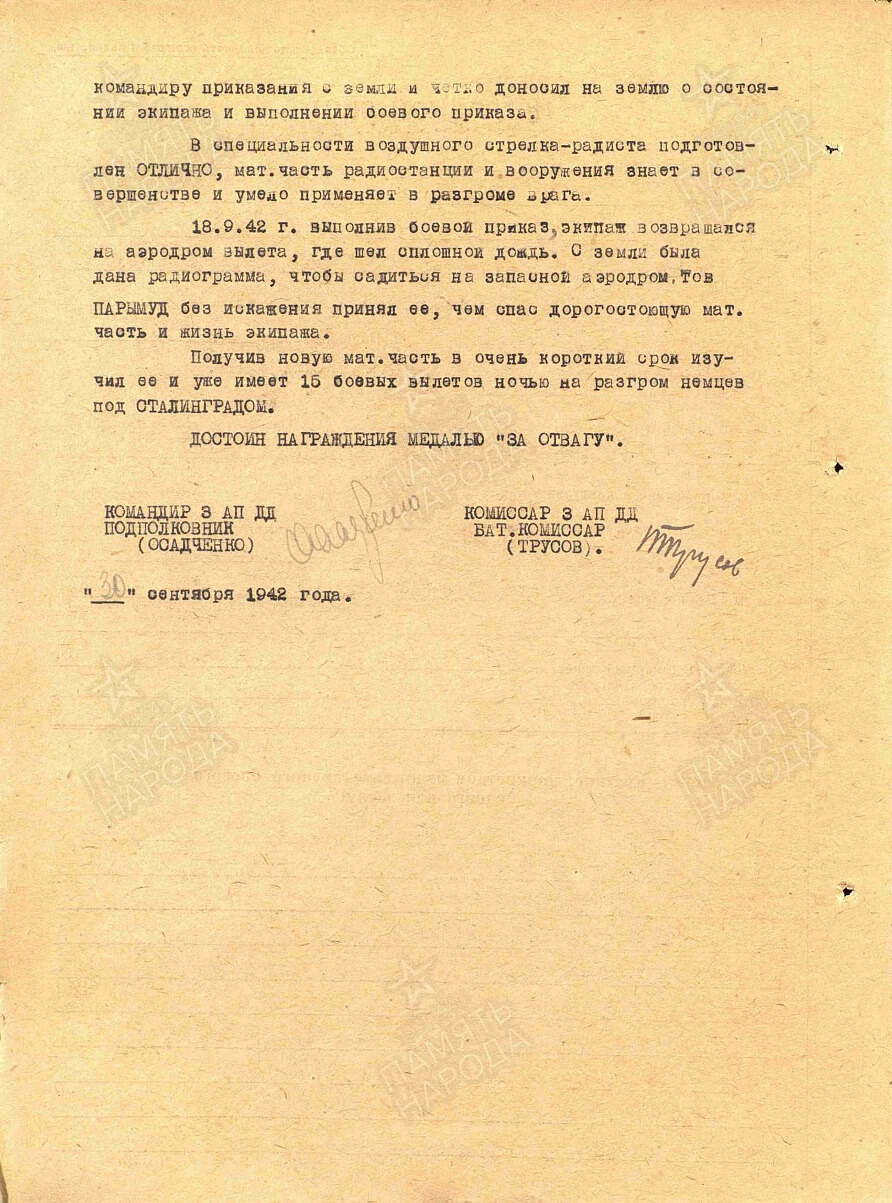
After graduating from the school of air gunners of radio operators in November 1941, comrade PARYMUD was one of the first in the unit to begin to independently carry out combat missions.
And in the very first sorties, he showed himself to be a courageous, energetic and strong-willed air fighter, capable of carrying out any order of command, despite any difficulties and opposition from the enemy.
From January 1942, he successfully completed 53 sorties at night in the near and deep rear of the enemy.
Having made 53 sorties at night, comrade PARYMUD always regularly and exemplarily kept the aircraft in touch with the ground and accurately conveyed orders to the commander from the ground and clearly reported to the ground about the state of the crew and the execution of the combat order.
In the specialty of an air gunner-radio operator, he is EXCELLENTLY prepared, he knows the material of the radio station and weapons to perfection and skillfully uses it in defeating the enemy.
On September 18, 1942, having fulfilled the combat order, the crew returned to the departure airfield, where it was raining heavily. A radiogram was given from the ground to land on an alternate airfield. Comrade PARYMUD received it without distortion, which saved the costly material part and the life of the crew.
Having received new material, he often studied it in a very short time and already has 15 sorties at night to defeat the Germans near STALINGRAD.
Operational History of the 3rd Long-Range (Heavy Bomber) Aviation Regiment during the Second World War
By the beginning of the war, the regiment had 41 TB-3 aircraft on strength, of which five were unserviceable.
The regiment was part of the active army from 22 June 1941 to 5 March 1942, from 20 March 1942 to 30 March 1942 under the designation **3rd Heavy Bomber Aviation Regiment**, and from 31 March 1942 to 18 September 1943 as the **3rd Long-Range Bomber Aviation Regiment**.
From January to June 1942, the regiment ensured the operations of the 1st Guards Cavalry Corps behind enemy lines. During this period, its crews also participated in the Vyazma airborne landing operation and in the subsequent supply of the airborne force. The regiment delivered ammunition, fuel, food, and medical supplies, and evacuated the wounded.
In April–May 1942, the crews transported cargo to units of the North-Western Front in the Staraya Russa area. Sorties were flown from the Monino airfield, using the Khotilovo and Khvoynaya forward airfields.
From the end of May 1942, the regiment conducted bombing strikes with a limited number of aircraft against enemy troops and equipment on the Western Front.
The regiment’s last combat sortie on TB-3 aircraft was carried out on 7 July 1942, when two TB-3 bombed concentrations of German tanks near the village of Petino, close to Voronezh.
From 7 July to 20 August 1942, the regiment did not conduct combat operations due to retraining on new aircraft. Over a period of 44 days, flight and technical personnel mastered the Li-2 aircraft. Retraining began in Noginsk and continued at the Dobrynskoye airfield in the Vladimir region.
From 17 August 1942, part of the aircrews who had mastered the Li-2 began performing their first transport missions on the new aircraft, while the remaining crews continued retraining. The process was fully completed in October. From November onward, all crews of the regiment were capable of carrying out various missions on the Li-2 aircraft. The remaining TB-3 aircraft were transferred to other regiments of the division, although isolated TB-3s remained in service with the regiment for some time. The last recorded TB-3 flight of the regiment took place on the night of 9 June 1943, when Captain Melnichenko’s aircraft bombed the Lyudinovo railway station.
In August 1942, the regiment, as part of the 53rd Long-Range Aviation Division, redeployed to the Michurinsk air hub and was based near the village of Nikiforovka. From this location it began combat operations during the Battle of Stalingrad. The regiment carried out bombing attacks against enemy troops, railway targets, and enemy airfields. In September 1942, combat activity was particularly intense, with crews remaining grounded on only two nights. In October, the regiment conducted operations on 20 nights. In November and December, the intensity decreased to 10 and 9 nights respectively, due to unfavorable weather conditions.
In January 1943, the regiment primarily carried out transport missions, delivering ammunition, fuel, and food to the troops, and evacuating the wounded.
More information on Parymud be found here
We found two scans of pictures of Parymud online, one of them shows him wearing this Red Star
Please contact us with questions